

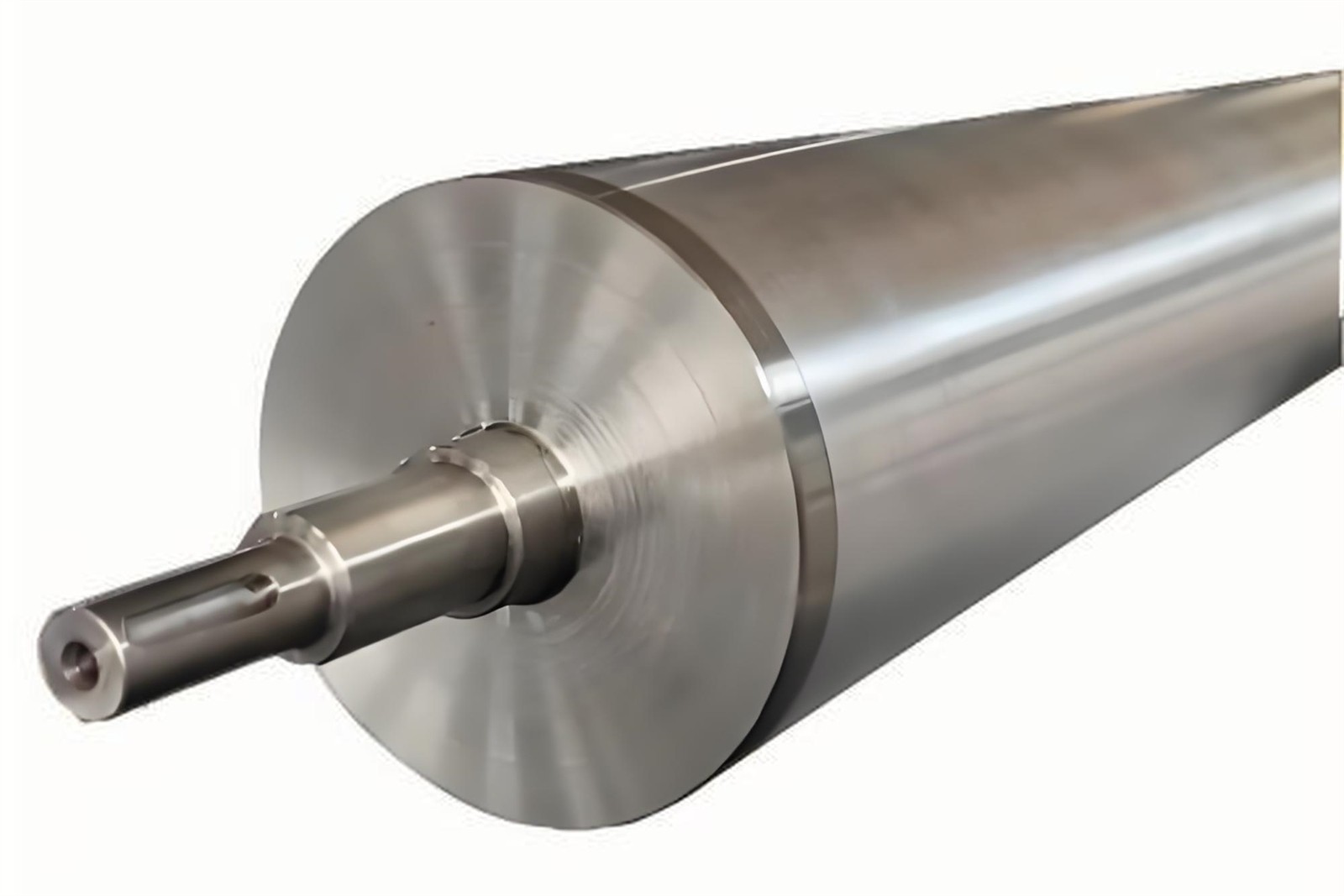
Laser cladding precisely controls the cladding layer thickness (micron-level) with a concentrated laser beam, restoring surface smoothness while avoiding deformation caused by traditional electroplating or thermal spraying. The metallurgical bonding (strength ≥400 MPa) between the cladding layer and substrate significantly extends wear resistance, with case studies showing a 5x+ lifespan improvement.
Minimal heat-affected zones (<0.1 mm) and rapid cooling minimize thermal stress, preserving dimensional accuracy (±0.01 mm) critical for high-precision printing. This process eliminates chemical solvents, aligning with green manufacturing standards, and enables localized repairs to retain the roll's original structure, drastically reducing maintenance costs for high-value equipment.
Laser Cladding for Repairing Hydraulic Pump Rods
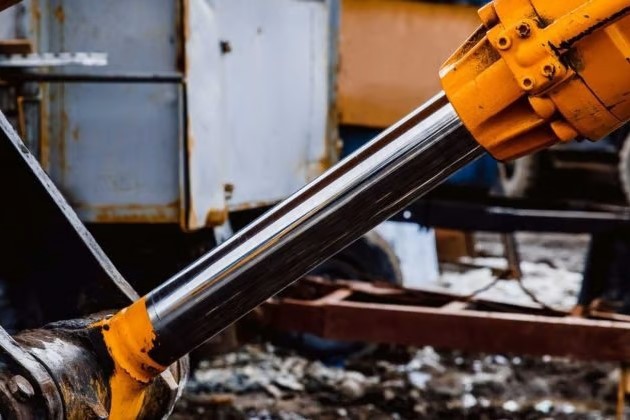
Laser cladding precisely controls the cladding layer thickness (micron-level) with a concentrated laser beam, restoring surface integrity while avoiding deformation caused by traditional methods like electroplating or thermal spraying. With a minimal heat-affected zone (<0.5 mm) and rapid cooling, thermal stress is minimized, preserving the base material's mechanical properties critical for high-pressure environments.
Selecting corrosion-resistant alloy powders (e.g., nickel-based or cobalt-based) further improves resistance to acidic/alkaline media, while ±0.01 mm dimensional accuracy guarantees sealing performance. This process eliminates chemical solvents, aligns with green manufacturing standards, and enables localized repairs to retain the rod's original structure, drastically reducing maintenance costs for high-value hydraulic systems.