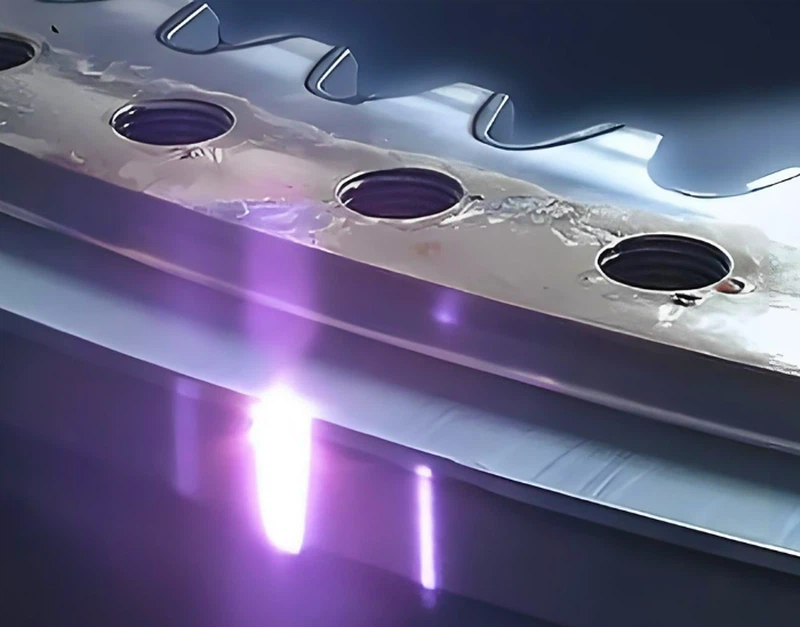
As modern manufacturing continues to demand higher precision, longer component lifespan, and improved operational efficiency, the Laser Hardening process on inner bore surfaces has become an increasingly valuable surface treatment technology. Industries such as automotive, aerospace, hydraulic systems, and heavy machinery rely heavily on components with internal bores that must withstand friction, pressure, wear, and fatigue over long operating cycles.
Compared with conventional hardening methods, laser hardening offers superior control, minimal distortion, localized heat treatment, and improved surface performance. This makes it particularly suitable for treating internal diameters and complex bore geometries where traditional methods may struggle.
In this article, we explore the major applications of inner bore laser hardening and examine how this advanced technology is shaping the future of industrial manufacturing.

Laser Hardened Hydraulic Cylinders and Industrial Tubes
The Laser Hardening process provides an effective solution by selectively strengthening the inner bore surface without affecting the entire component structure. A high-energy laser beam rapidly heats the bore surface to the austenitizing temperature, followed by self-quenching from the surrounding material. This creates a hardened martensitic layer with enhanced wear resistance.
Key Benefits for Hydraulic Components
• Increased resistance to abrasion and scoring
• Improved sealing surface durability
• Reduced maintenance and downtime
• Extended service life of cylinders and tubes
• Minimal thermal distortion compared with conventional hardening
Key Benefits for Hydraulic Components
• Increased resistance to abrasion and scoring
• Improved sealing surface durability
• Reduced maintenance and downtime
• Extended service life of cylinders and tubes
• Minimal thermal distortion compared with conventional hardening
Laser hardened hydraulic cylinders are commonly used in:
• Construction equipment
• Mining machinery
• Agricultural systems
• Industrial automation equipment
• Oil and gas hydraulic systems
Because laser hardening is highly localized, manufacturers can treat only the critical wear zones inside the bore, improving production efficiency and reducing unnecessary heat exposure.
Automotive Components That Benefit from Bore Hardening
Laser hardening technology has become increasingly popular for automotive applications due to its precision and repeatability.
Common Automotive Components Using Inner Bore Laser Hardening
Engine Cylinder Bores
Engine cylinders experience constant piston movement and combustion pressure. Laser hardening improves:
• Wear resistance
• Friction reduction
• Lubrication retention
• Engine lifespan
Transmission Components
Internal bores in gears, clutch hubs, and transmission shafts require high surface hardness to resist fatigue and contact stress.
Fuel Injection Systems
Precision fuel injection components rely on extremely smooth and durable internal surfaces. Laser Hardening helps maintain dimensional stability while increasing hardness.
Steering and Suspension Parts
Components exposed to cyclic loads and vibration benefit from localized hardening on internal bearing surfaces.


Aerospace and Heavy Machinery Inner Bore Applications
Laser hardening technology provides the durability and precision needed for these high-performance industries.
Aerospace Applications
Aircraft components require lightweight materials with exceptional strength and wear resistance. Laser hardening is used for:
• Landing gear cylinder bores
• Turbine shaft sleeves
• Actuator housings
• Hydraulic control systems
Because aerospace parts often involve complex geometries and tight tolerances, the low-distortion characteristics of Laser Hardening are especially valuable.
Heavy Machinery Applications
Heavy industrial equipment operates in harsh environments involving dust, vibration, impact loads, and continuous operation. Common laser hardened bore applications include:
• Excavator hydraulic systems
• Mining equipment cylinders
• Steel mill rollers
• Industrial gearbox housings
• Crane and lifting equipment components
Advantages for Heavy Industry
Laser hardening improves component reliability by:
• Reducing internal surface wear
• Increasing fatigue resistance
• Enhancing load-bearing performance
• Lowering repair frequency
• Extending operational lifespan
This directly contributes to lower maintenance costs and higher equipment availability.
Future Trends in Automated Inner Bore Laser Hardening Systems
Aerospace Applications
Aircraft components require lightweight materials with exceptional strength and wear resistance. Laser hardening is used for:
• Landing gear cylinder bores
• Turbine shaft sleeves
• Actuator housings
• Hydraulic control systems
Because aerospace parts often involve complex geometries and tight tolerances, the low-distortion characteristics of Laser Hardening are especially valuable.
Heavy Machinery Applications
Heavy industrial equipment operates in harsh environments involving dust, vibration, impact loads, and continuous operation. Common laser hardened bore applications include:
• Excavator hydraulic systems
• Mining equipment cylinders
• Steel mill rollers
• Industrial gearbox housings
• Crane and lifting equipment components
Advantages for Heavy Industry
Laser hardening improves component reliability by:
• Reducing internal surface wear
• Increasing fatigue resistance
• Enhancing load-bearing performance
• Lowering repair frequency
• Extending operational lifespan
This directly contributes to lower maintenance costs and higher equipment availability.
Conclusion
The Laser Hardening process on inner bore surfaces has become a critical technology across modern manufacturing industries. From hydraulic cylinders and automotive engines to aerospace systems and heavy machinery, laser hardening delivers superior wear resistance, improved durability, and precise localized treatment.