


high costs ship owners are facing
Ships operate in harsh marine environments, where saltwater corrosion, mechanical abrasion, and fatigue stress degrade critical components like hulls, propellers, and rudders. Industry reports indicate that up to 25% of unplanned downtime in shipping fleets is due to maintenance issues related to corrosion and wear, costing millions annually. Traditional methods such as sandblasting, chemical treatments, or conventional heat processes are often time-consuming, imprecise, and environmentally taxing.
Laser technology is transforming ship maintenance. Laser quenching machines offer precise surface hardening of shafts, rudders, and structural components. By rapidly heating and cooling targeted areas, laser quenching can increase surface hardness by 30–50%, improving fatigue resistance and extending the service life of critical parts. This approach reduces the frequency of replacements and minimizes downtime, directly addressing cost and reliability concerns.


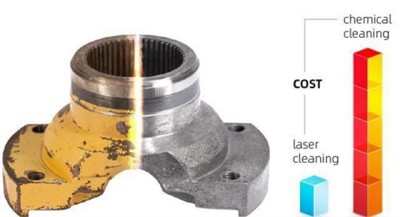
Meanwhile, laser cleaning machines efficiently remove rust, marine fouling, and old coatings from metal surfaces without abrasives or chemicals. Studies show that laser cleaning can remove up to 95% of surface contaminants in a fraction of the time compared to traditional methods, while maintaining substrate integrity. Cleaner surfaces ensure better adhesion of protective coatings, further reducing long-term corrosion risks.
the innovation
For shipbuilders and fleet operators, integrating laser solutions translates into faster maintenance cycles, reduced labor costs, and safer operations. The precision of lasers minimizes thermal impact on surrounding materials, and the process is largely eco-friendly, cutting down on hazardous waste. By embracing laser quenching and cleaning technologies, the maritime industry can tackle persistent pain points while improving operational efficiency and sustainability.
With these innovations, ship maintenance is no longer reactive-it becomes predictive, precise, and cost-effective. As global shipping demands grow and environmental regulations tighten, laser technology provides a tangible solution to extend component life, reduce downtime, and ensure safer, cleaner, and more reliable fleet operations.