

Introduction:
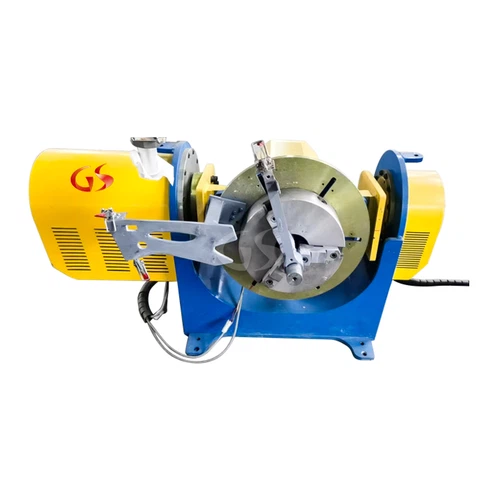
Cantilever positioners have revolutionized the way tasks are accomplished across various industries. From manufacturing and construction to research and development, these innovative devices have become indispensable tools for optimizing workflow. This article explores the numerous ways in which it enhances workflow, providing stability, precision, versatility, and automation capabilities that streamline processes and maximize efficiency.
1. Precision Control and Stability:
One of the primary ways cantilever positioners enhance workflow is by offering precise control over the positioning of objects or components. Whether it's holding workpieces in place during machining operations or aligning delicate instruments in a laboratory setting, the ability to accurately position items is essential for ensuring quality and consistency in results. It excels in this regard, allowing users to adjust the position of objects with exceptional accuracy, minimizing errors, and maximizing productivity. Their sturdy construction and reliable locking mechanisms ensure stability, even when dealing with heavy or awkwardly shaped parts, providing a secure foundation for performing tasks with confidence.
2. Versatility in Applications:
It offers versatility in their applications, making them valuable assets in diverse work environments. Their modular designs often feature adjustable arms, interchangeable fixtures, and customizable mounting options, allowing users to tailor them to specific tasks and requirements. Whether used in industrial settings, research laboratories, or artistic studios, these devices can be adapted to suit a wide range of applications. From holding components in place for assembly or inspection to providing support for material handling or positioning equipment, it offers endless possibilities for enhancing workflow across various industries.
3. Integration with Automation Systems:
Cantilever positioners contribute to workflow enhancement through their compatibility with automation systems. Integration with robotic arms, CNC machines, or other automated equipment enables seamless coordination of positioning tasks with other manufacturing or assembly processes. This automation not only speeds up production but also reduces the risk of human error, ensuring consistent results and improving overall product quality. By synchronizing the movements of it with other automated systems, manufacturers can achieve higher levels of efficiency and productivity while minimizing downtime and maximizing throughput.
4. Ergonomic Work Practices:
It facilitates ergonomic work practices, promoting employee safety and well-being in the workplace. By providing stable support for heavy or cumbersome objects, these devices help reduce the risk of strain or injury associated with manual handling tasks. Adjustable height and reach options further enhance ergonomics by allowing operators to work in comfortable positions, minimizing fatigue and discomfort during prolonged use. By prioritizing ergonomics, organizations can improve worker satisfaction, reduce absenteeism, and increase productivity, ultimately enhancing overall workflow efficiency.
5. Space Optimization:
Cantilever positioners contribute to workflow enhancement by enabling efficient use of space in crowded or constrained environments. Their compact designs and ability to be mounted on walls, benches, or overhead structures make them ideal for maximizing available workspace while still providing ample reach and flexibility. This space-saving feature not only improves efficiency but also enhances overall organization and workflow management. By optimizing space utilization, organizations can minimize clutter, reduce congestion, and streamline operations, leading to smoother workflows and higher productivity levels.
6. Customization and Adaptability:
Cantilever positioners offer customization and adaptability to meet the specific needs and requirements of different applications. Whether it's adjusting arm lengths, changing mounting configurations, or integrating additional accessories, these devices can be tailored to suit the unique demands of various tasks and environments. This flexibility allows organizations to optimize workflow processes, address evolving challenges, and stay ahead of the competition in today's dynamic business landscape. By investing in customizable it, organizations can future-proof their operations and maintain a competitive edge in their respective industries.
7. Applications Industries:
1). Manufacturing Industry: Cantilever positioners are used for the precision positioning of workpieces during machining, welding, assembly, and inspection processes, improving efficiency and quality control.
2). Construction Sector: In construction, it is utilized for holding building materials in place during installation, ensuring accurate alignment, and facilitating safer and more efficient construction practices.
3). Research and Development: It plays a crucial role in laboratories and R&D facilities, where they are used for positioning sensitive equipment, such as microscopes or test fixtures, with precision and stability, aiding in experimentation and data collection.
4). Medical Field: Within the medical industry, it is employed for holding surgical instruments, and assisting in procedures that require precise positioning and stability, thus enhancing surgical outcomes and patient safety.
5). Automotive Sector: It is integral to automotive manufacturing processes, where they are used for positioning components during assembly, welding, and quality inspection, contributing to efficient production lines and high-quality vehicle manufacturing.
6). Aerospace and Defense: In the aerospace and defense sectors, it is utilized for positioning aircraft components, satellite parts, or defense systems during assembly, maintenance, and testing procedures, ensuring accuracy and reliability in critical applications.
7). Electronics Industry: It is find applications in electronics manufacturing for holding circuit boards, components, or devices during soldering, testing, and assembly processes, enabling precise positioning and efficient production of electronic goods.
Conclusion:
Cantilever positioners play a vital role in enhancing workflow across various industries by providing stability, precision, versatility, and automation capabilities. From precision machining and assembly to laboratory research and material handling, these innovative devices streamline processes, improve productivity, and promote safety and ergonomic practices in the workplace. As technology continues to advance, it will undoubtedly remain an indispensable tool for optimizing workflow and achieving excellence in countless applications. By leveraging the benefits of it, organizations can unlock new levels of efficiency, innovation, and success in today's rapidly evolving business landscape.
Xi'an Guosheng Laser Technology Co., Ltd. is a high-tech enterprise specializing in R&D, manufacturing and sales of automatic laser cladding machine, high-speed laser cladding machine, laser quenching machine, laser welding machine and laser 3D printing equipment. Our products are cost-effective and sold domestically and abroad. If you're interested in our products, please contact us at bob@gshenglaser.com.