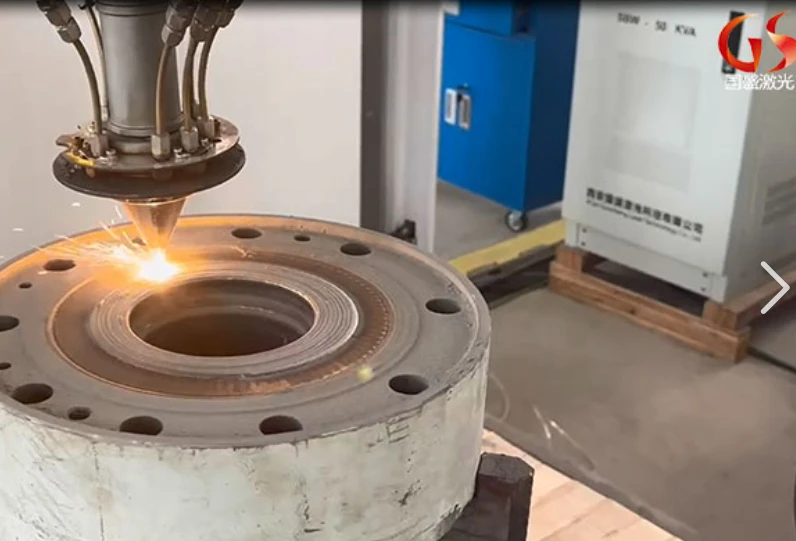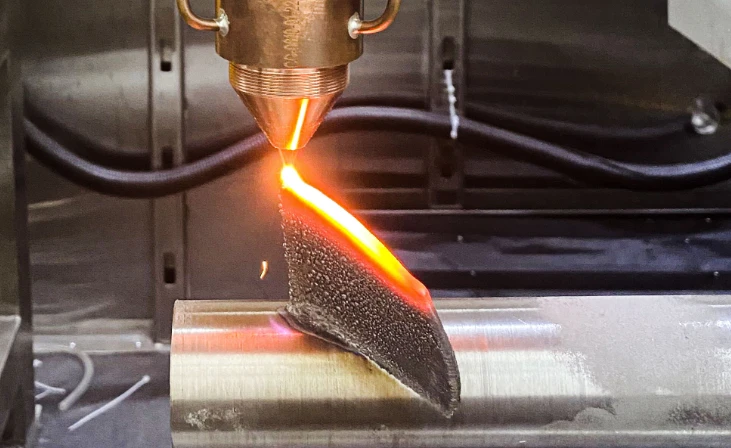
1.🌊The marine maintenance crisis:Severe wear and costly downtime
The maritime industry operates in one of the most corrosive environments on earth, where salt spray, extreme pressures, and constant friction relentlessly degrade vital vessel parts. Replacing components like propeller shafts, rudder stocks, and cylinder liners often incurs massive financial losses due to extended vessel downtime and soaring replacement costs. To combat this, modern shipyards are moving away from traditional repair methods and rapidly adopting 6kW laser cladding systems as the ultimate standard for marine component remanufacturing. This high-efficiency technology not only restores worn-out parts to their original dimensions but also significantly enhances their original surface performance.
2.⚓ Combating Marine Corrosion and Wear with Ultimate Precision
Marine components face a unique combination of electrochemical corrosion and mechanical wear that typical welding processes struggle to fix effectively. Traditional sub-arc welding or thermal spraying can deform critical parts due to high heat input, or offer insufficient bond strength that risks catastrophic failure at sea. A 6kW laser cladding machine solves this by utilizing a precisely focused laser beam to metallurgically bond high-performance alloys-such as Stellite, Inconel, or stainless steel-directly onto the damaged substrate. This high-power setup delivers a minimal Heat-Affected Zone (HAZ) and ultra-low dilution rates, ensuring the protective coating maintains its premium anti-corrosion properties without warping the underlying marine geometry.
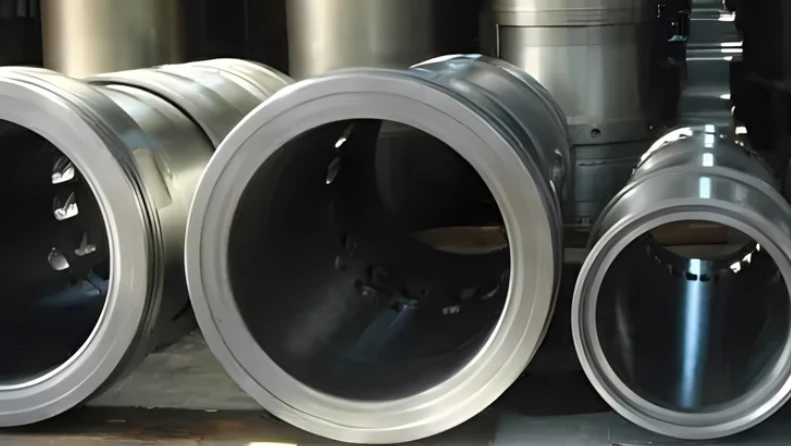
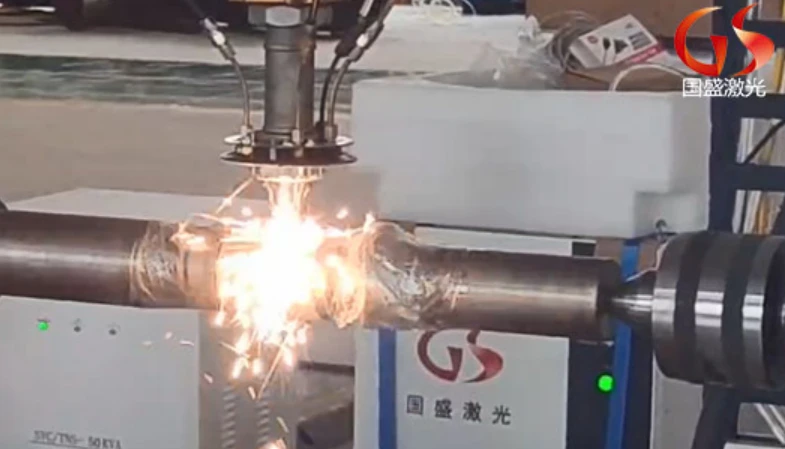
3.⏱️ Maximizing Turnaround Efficiency to Drastically Reduce Vessel Downtime
In commercial shipping, a vessel stuck in dry dock can bleed tens of thousands of dollars per day, making turnaround time the most critical metric for shipyards. The integration of a 6kW power rating represents the ideal "sweet spot" for industrial maritime repair, balancing intense deposition rates with meticulous process control. It allows engineers to deposit thick, high-quality protective layers much faster than lower-power alternatives while maintaining absolute surface uniformity. By accelerating the remanufacturing cycle of heavy-duty parts, shipyards can significantly slash dry-docking intervals, allowing fleet operators to get their ships back into profitable service days ahead of schedule.
4.💰 Driving Down Operational Costs and Boosting Lifetime ROI
From a business perspective, adopting 6kW laser cladding is a highly lucrative investment that transforms shipyard maintenance from a cost center into a value driver. Remanufacturing a large marine component costs only a fraction of purchasing a brand-new OEM replacement part, saving thousands in procurement and logistics. Furthermore, because the laser-clad surfaces are often structurally superior to the original base metal, the treated components exhibit extended operational lifespans, drastically reducing the frequency of future breakdowns. Shipyards investing in this technology can offer their B端 clients a guaranteed, premium repair solution that delivers an incredibly rapid return on investment (ROI).