

Steel rolls are indispensable core components in metallurgy, rolling and industrial processing lines. Operating under continuous high-pressure friction, cyclic impact and high-temperature environments, their surfaces inevitably suffer abrasion, scratches, peeling and dimensional tolerance loss. Traditional repair methods including conventional surfacing and electroplating often bring obvious thermal deformation, weak coating bonding and poor surface accuracy. These defects lead to short service cycles, frequent equipment maintenance and unplanned shutdowns, greatly restricting industrial production efficiency.
Precision Laser Bonding Achieves High-Quality Remanufacturing
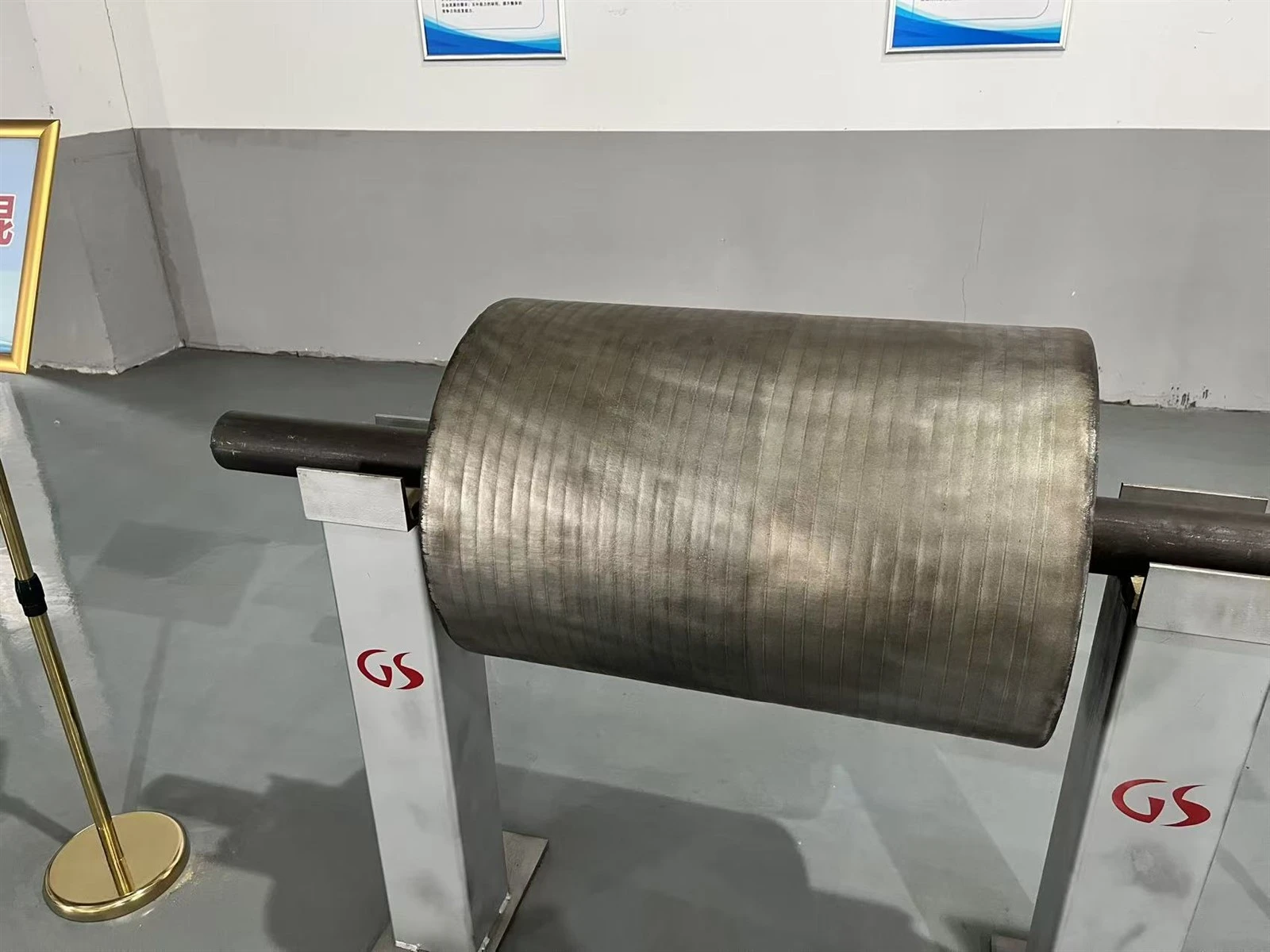
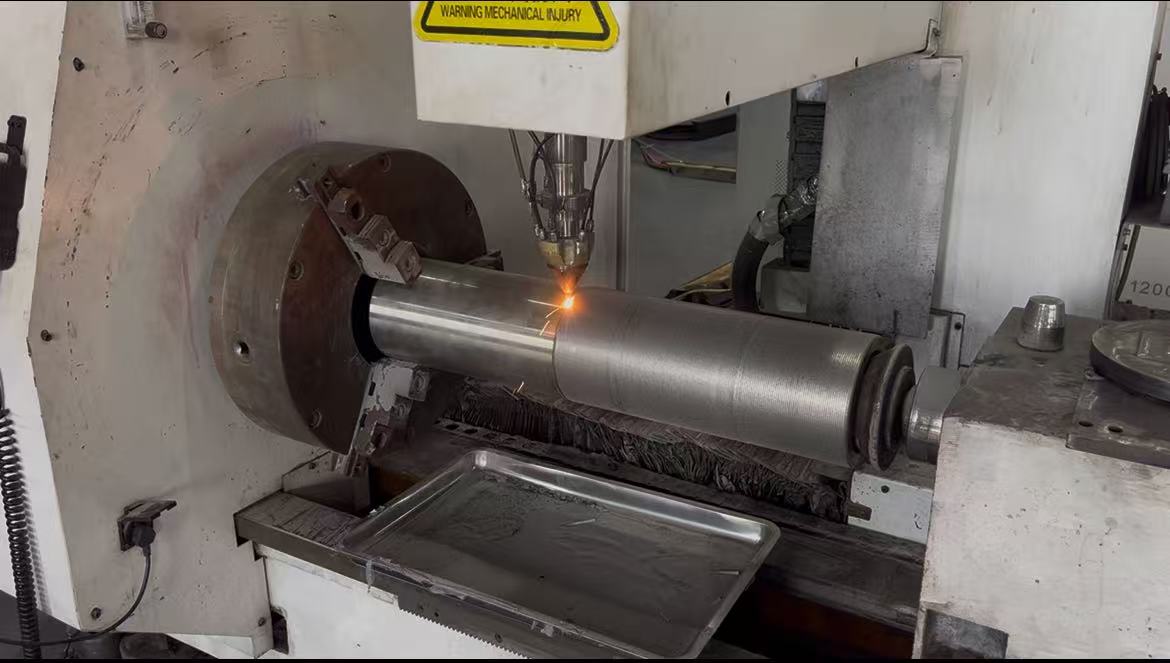
Laser cladding technology uses a high-energy, concentrated laser beam as a precise heat source. It simultaneously melts high-performance alloy powder and the micro-surface of the steel roll substrate, forming a dense, uniform and firmly bonded cladding layer through metallurgical fusion. Compared with traditional thermal repair processes, laser cladding features an extremely low dilution rate and a tiny heat-affected zone. It effectively avoids roll deformation, residual stress and surface cracks while maintaining the overall structural stability of the steel roll matrix.
Accurate Dimensional Restoration and Performance Upgrade
This advanced technology integrates precise defect repair and surface strengthening into one process. It accurately fills worn pits and damaged areas to restore the original size, flatness and geometric precision of failed steel rolls. Meanwhile, the refined alloy cladding layer significantly enhances surface hardness, friction resistance, high-temperature oxidation resistance and corrosion resistance. The optimized microstructure effectively resists thermal fatigue and mechanical abrasion under harsh industrial working conditions.
Longer Service Life and Lower Operational Costs
Industrial application data verifies that laser-clad steel rolls achieve 2 to 3 times longer service life than traditionally repaired rolls. The localized precision cladding mode saves high-value alloy materials and reduces processing costs. It greatly lowers maintenance frequency and production downtime, stabilizes product processing quality, and provides an efficient, green and cost-effective remanufacturing solution for the long-term stable operation of modern industrial rolling equipment.
