

Introduction: Two Core Technologies of Modern Laser Metal Processing
Laser metal processing has become the mainstream surface manufacturing technology across automotive, aerospace, oil and gas, and general metalworking industries. Laser cladding and laser welding are two frequently discussed laser-based techniques, and many global industrial buyers and metal fabricators often confuse these two processes due to their shared equipment and identical heat sources. Both technologies utilize high-energy fiber lasers to melt metal materials and form sturdy metallurgical bonds on workpiece surfaces. However, they are designed for completely different manufacturing goals, covering distinct working principles, material usages, layer characteristics, and industrial application scenarios. Mixing up laser welding and laser cladding will cause unqualified finished products, wasted raw materials, and increased unnecessary operational costs. This article comprehensively compares laser cladding vs laser welding, explaining their core features and helping overseas businesses select the correct laser processing solution for their specific production projects.

Core Working Principles: Primary Technical Differences
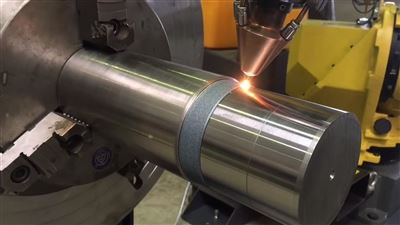
The fundamental difference between laser cladding and laser welding lies in their processing objectives and melting mechanisms. Laser welding is a joining technology whose core purpose is to connect two or more separate metal workpieces into a single integrated part. The laser beam melts the edges of two base materials simultaneously to form a welding pool; after cooling and solidification, a seamless weld joint is created to realize structural combination. In contrast, laser cladding belongs to the laser additive manufacturing category. Its main goal is surface modification and part restoration instead of material joining. Operators add additional metal powder or metal wire as filler materials, which the laser melts onto the intact substrate surface. The cladding material fuses with a thin base material layer to form an independent functional coating without combining two separate workpieces together during the whole process.
Processing Characteristics and Structural Features
In terms of processing characteristics and finished structure, laser welding and laser cladding show obvious gaps in thickness, heat influence and mechanical properties. Laser welding focuses on penetrating materials to create high-strength joints, featuring deep penetration and relatively narrow weld seams. The welded area needs to match the hardness and ductility of the base metal to ensure overall structural stability and prevent fracture under dynamic loads. Laser cladding prioritizes surface performance optimization, producing thick functional coatings ranging from 0.1mm to 5mm. Manufacturers can customize cladding materials such as nickel alloy, stainless steel, and carbide to endow workpieces with exclusive wear resistance, corrosion resistance, and high-temperature resistance. Additionally, laser cladding causes lower thermal stress on substrates, while laser welding generates higher internal stress, which requires stress relief treatment for thick structural components after processing.

Industrial Applications and Suitable Use Cases
Laser welding and laser cladding serve different industrial demands and application scenarios in global manufacturing. Laser welding is widely used for mass production assembly, including welding automotive body parts, pipe fittings, battery shells, precision hardware components, and aerospace structural parts. It is the ideal choice for manufacturers pursuing efficient material connection, tight sealing performance, and high structural strength. On the other hand, laser cladding is mainly applied to component surface reinforcement and high-value part repair. Common use cases include repairing worn turbine blades and mold surfaces, strengthening oil drilling tools, and depositing anti-corrosion coatings on mechanical parts. Simply summarized, global factories adopt laser welding for component assembly and connection, while laser cladding is dedicated to surface upgrading, defect repairing, and extending the service life of expensive industrial parts.
Conclusion: How Manufacturers Choose Between Cladding and Welding
To conclude, although laser cladding and laser welding belong to advanced laser metal processing technologies, they cannot replace each other in actual industrial production. Laser welding acts as a reliable joining solution to bond multiple metal workpieces with stable structural strength, which is essential for assembly-oriented manufacturing. Laser cladding focuses on surface enhancement and part remanufacturing by depositing customized alloy layers to upgrade surface performance and repair damaged components. For international industrial buyers, clarifying the differences between laser cladding and laser welding helps optimize production workflows and control overall manufacturing costs. As laser processing technology continues to iterate, both techniques will remain indispensable and powerful tools for modern metalworking and high-precision manufacturing across the global industrial supply chain.
