

The Core Role of Laser Cladding Technology and the Internal Cladding Head
Laser cladding is an advanced process for surface modification and repair, seeing major growth in manufacturing, aerospace, automotive, and oil and gas. This technology deposits a molten material layer onto a substrate to improve surface properties or repair damage. With rising demand for high-performance coatings, the need for versatile and efficient solutions is crucial. The internal laser cladding head (or laser nozzle) is the system's core component. It integrates the focusing lens, powder delivery, and shielding gas nozzle, precisely delivering laser energy and powder to the target zone. Understanding this component's working principle and its multi-function fast switching capability is key to mastering modern, high-efficiency laser cladding technology.

Core Working Principle and Multi-Function Fast Switching Technology Analysis
The internal laser cladding head operates by directing a focused laser beam onto the workpiece while precisely injecting powder material into the laser path. The laser energy instantly melts the powder, forming a metallurgical bond with the base material. This function goes beyond simple material deposition; it requires fine control over laser energy and material feed to ensure accurate geometry, tailored composition, and precise thickness. This high precision is vital for enhancing surface properties. A defining feature is its multi-function fast switching capability, which allows for seamless, rapid transitions between different cladding modes. This technology significantly boosts overall operational efficiency and versatility. Whether switching materials or changing process modes, the internal laser cladding head ensures flexible and highly efficient operation for modern laser cladding.
Precision Control and Repair: Enabling Dissimilar Material Deposition and Complex Layer Thickness Adjustment
A major advantage of the internal laser cladding head is its accurate and rapid capability to clad different materials. By quickly switching powder feeds, the system can deposit diverse alloys, ceramics, and composites, providing the flexibility needed for components requiring zones with contrasting properties (e.g., wear and corrosion resistance). Real-time adjustment of the powder feed rate and scanning speed grants operators precise control over the clad layer's thickness and composition. This ensures consistent quality, minimizes defects, and enhances component reliability. The fast switching feature is also invaluable for the repair and reconditioning of damaged parts. The internal laser cladding head can selectively deposit and fuse material onto worn areas, efficiently restoring the part's original function and specifications, thus cutting costs and extending the service life of critical components.


Empowering Industrial Applications: Enhancing Surface Properties and Diverse Industry Adoption
Through its multi-function fast switching capabilities, the internal laser cladding head can impart specific surface characteristics, significantly broadening the scope of laser cladding. Manufacturers can precisely tailor surfaces-improving wear resistance, corrosion resistance, or thermal conductivity-to meet exact application demands. Consequently, this technology is critical across multiple sectors: aerospace for repairing turbine blades; automotive for enhancing part machinability; and oil and gas for providing protective coatings for drilling tools. This versatility highlights its broad industrial utility. The benefits of the internal laser cladding head are substantial, including reduced downtime, improved production efficiency, enhanced product quality, and the overarching goal of extending the service life of critical components across diverse industrial applications.
Challenges and Innovations: Driving the Continuous Development of Laser Cladding Technology
Optimizing the performance of the multi-function fast switching internal laser cladding head requires careful management of process parameters, advanced control systems, and the right powder materials. Technical challenges include ensuring material compatibility, maintaining switching stability, and achieving uniform cladding within intricate internal structures. However, ongoing innovation in laser cladding technology is actively addressing these issues. Sophisticated monitoring and control systems are being deployed to enable real-time process adjustments, ensuring optimal cladding quality. Furthermore, continuous advancements in powder materials and deposition techniques are consistently improving the performance and long-term reliability of cladded components. These innovations are not only resolving current complexities but are also establishing a robust foundation for the continued growth and expanded application of the internal laser cladding market.

Laser equipment components

Fiber Laser Machine

Laser Cladding Head
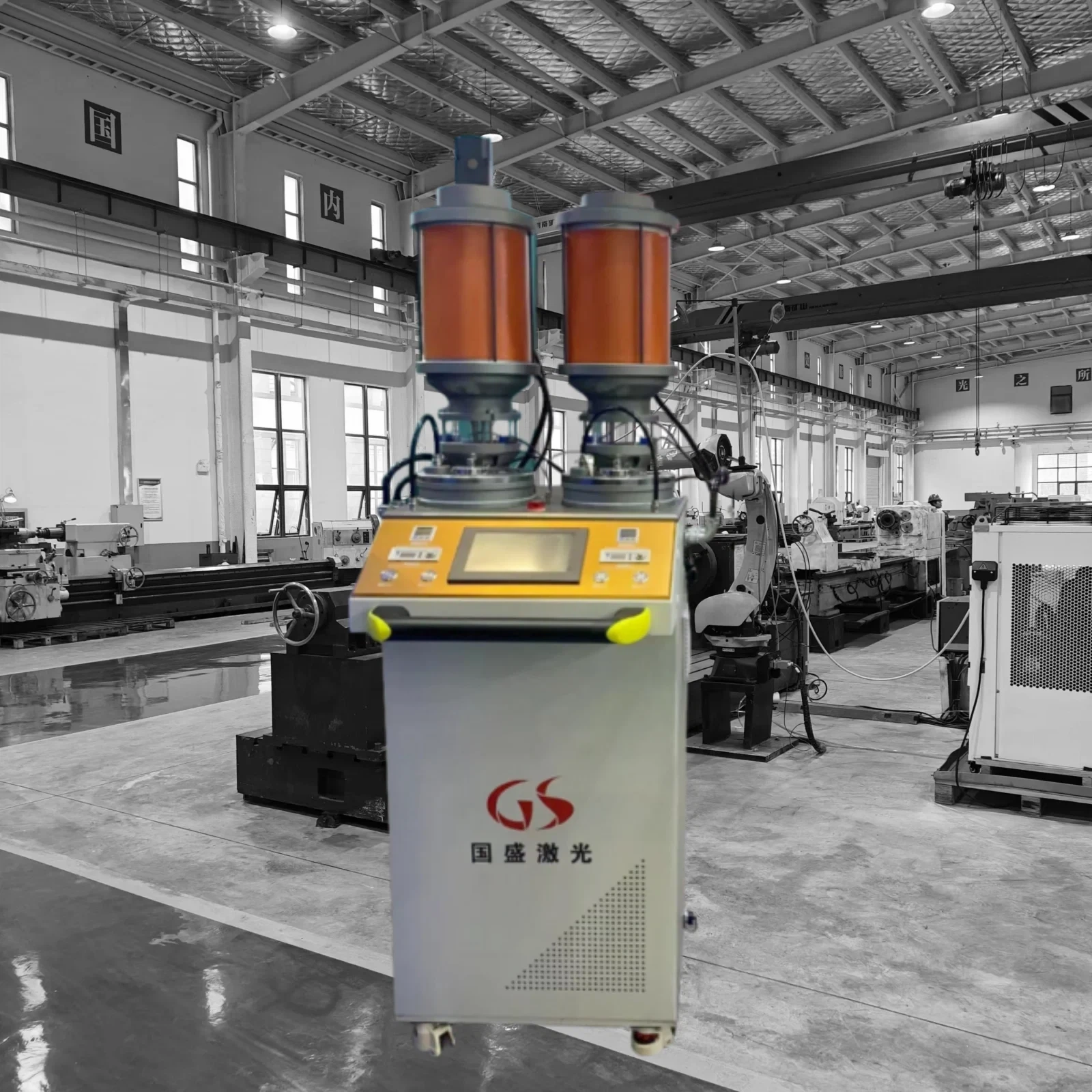
Powder Feeder

Laser Hardening Head
The Internal Laser Cladding Head Drives a Future of Efficiency and Versatility
The internal laser cladding head, with its revolutionary multi-function fast switching capabilities, is fundamentally changing the conventional laser cladding process. Its ability to seamlessly switch between different cladding functions grants manufacturers unprecedented versatility, efficiency, and superior results. Key capabilities include the precise cladding of different materials, accurate control over layer thickness, efficient repair of damaged parts, and customized improvement of surface properties. These attributes make it indispensable across sectors from aerospace to oil and gas. With continuous technological advancements, the internal laser cladding head will continue to drive the laser cladding market forward, paving the way for a broader future in enhancing industrial component performance, reliability, and lifespan.