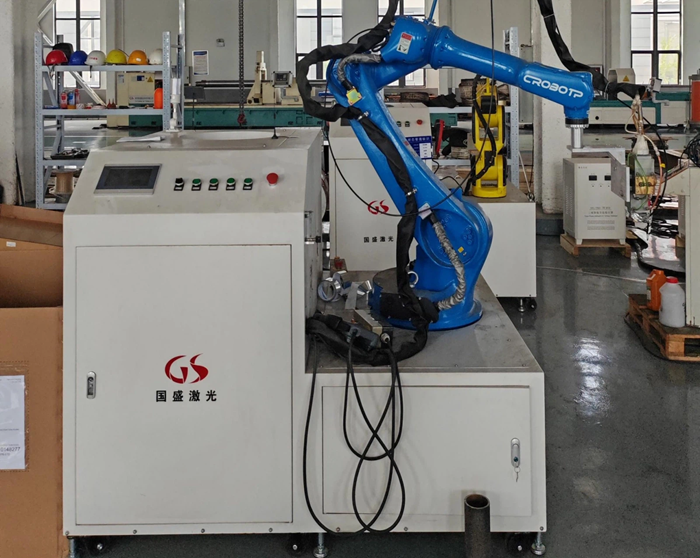
The oil, gas, and power generation industries operate in some of the harshest and most demanding environments-from high-pressure oil and gas pipelines to high-temperature turbine components in power plants. These critical pieces of equipment are constantly exposed to wear, corrosion, extreme temperatures, and mechanical stress, leading to frequent damage, unplanned downtime, and costly replacements. In recent years, Laser Cladding technology has emerged as a game-changing solution, offering a reliable, cost-effective, and sustainable way to repair, protect, and extend the lifespan of key energy components. This article explores how laser cladding is transforming maintenance, operations, and sustainability in the oil, gas, and power generation sectors.
1. Repairing Damaged Energy Components Without Replacing Expensive Parts
One of the most significant advantages of laser cladding in the energy industry is its ability to repair damaged components rather than replacing them entirely-a practice that saves companies millions in equipment costs and reduces downtime. In oil and gas operations, components like drill bits, wellheads, pipelines, and valve bodies are prone to wear and corrosion due to exposure to harsh drilling fluids, high pressure, and corrosive hydrocarbons. Similarly, in power generation, turbine blades, shafts, boiler tubes, and heat exchangers suffer from erosion, fatigue, and high-temperature oxidation over time.
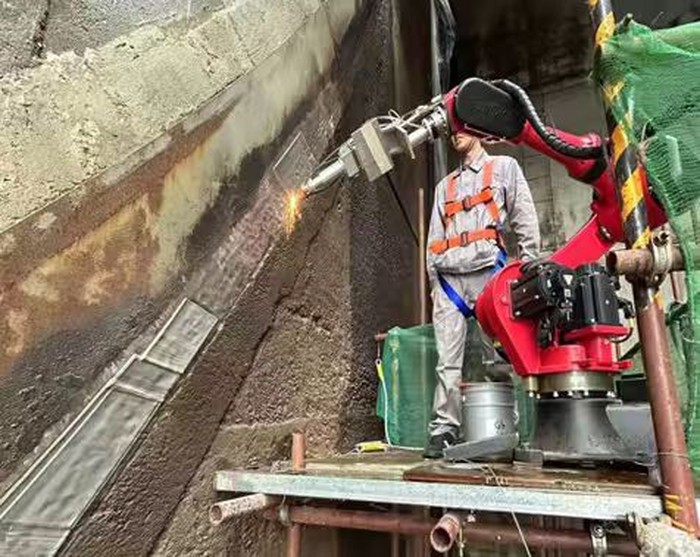
Laser Cladding addresses these issues by depositing a thin, high-quality layer of material (such as nickel-based alloys, stainless steel, or cobalt-based superalloys) onto the damaged surface. This process is precise, controlled, and minimally invasive, ensuring that the repaired component meets or exceeds its original performance specifications. Unlike traditional repair methods- which often leave uneven surfaces or compromise the component's structural integrity-laser cladding creates a metallurgically bonded coating that is resistant to wear, corrosion, and high temperatures. For example, a damaged oil pipeline segment can be repaired on-site using laser cladding, eliminating the need to replace entire sections and reducing shutdown time from weeks to days.
This repair-first approach not only cuts costs but also reduces waste, aligning with the energy industry's growing focus on sustainability and circular economy practices.
2. Advantages of Laser Cladding Over Traditional Welding in Energy Applications
While traditional welding has long been a staple in energy equipment maintenance, laser cladding offers distinct advantages that make it better suited for the unique challenges of the oil, gas, and power generation sectors. Traditional welding methods, such as MIG or TIG welding, often produce high heat input, leading to thermal distortion, cracks, and reduced material strength-critical issues for components that operate under extreme conditions.
Laser Cladding, by contrast, uses a focused laser beam to melt the cladding material and the surface of the substrate, resulting in a low-heat input process. This minimizes thermal distortion and residual stress, preserving the structural integrity of the component. Additionally, laser cladding allows for precise control over the thickness and composition of the coating, making it possible to tailor the repair to the specific needs of the application-whether that's enhancing corrosion resistance for offshore pipelines or improving wear resistance for turbine blades.
Another key advantage is versatility: laser cladding can be applied to a wide range of component sizes and shapes, from small valve parts to large turbine shafts. It also works with a variety of base materials, including carbon steel, stainless steel, and superalloys, which are commonly used in energy equipment. Unlike traditional welding, laser cladding does not require extensive post-processing (such as grinding or heat treatment), further reducing maintenance time and costs.
3. Case Studies: Successful Laser Cladding Projects in the Global Energy Sector
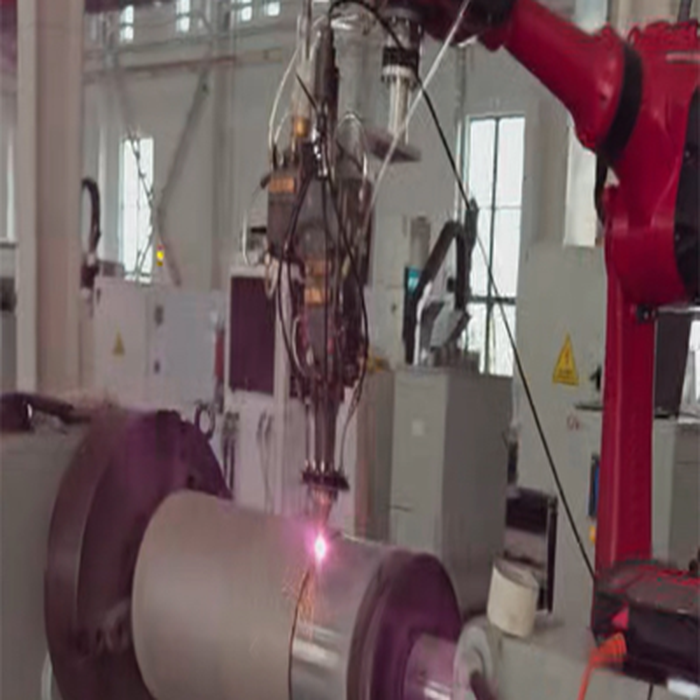
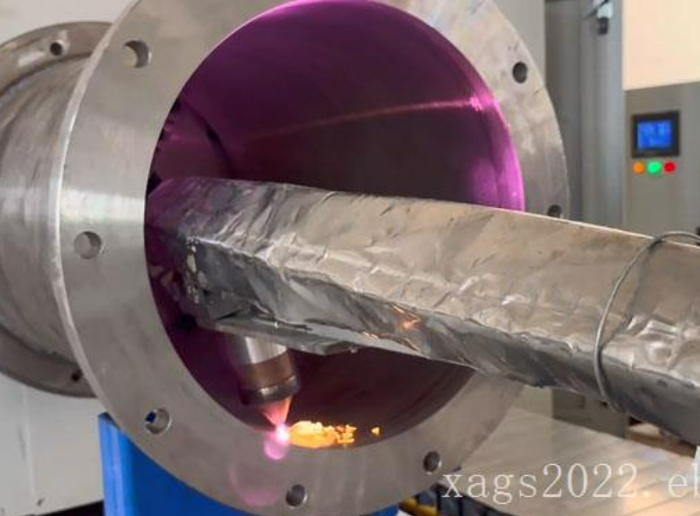
Laser cladding has already proven its value in numerous real-world applications across the oil, gas, and power generation industries. Below are three notable case studies that highlight its effectiveness:
Case Study 1: Offshore Oil Pipeline Repair – A major oil and gas company operating in the North Sea faced frequent corrosion issues in its offshore pipelines, leading to costly replacements and unplanned shutdowns. The company adopted Laser Cladding to repair corroded pipeline sections, using a nickel-based alloy coating to enhance corrosion resistance. The repair process was completed on-site, reducing shutdown time by 70% and extending the pipeline's service life by an additional 15 years. The total cost of the repair was 60% lower than replacing the pipeline sections.
Case Study 2: Turbine Blade Refurbishment for a Coal-Fired Power Plant – A coal-fired power plant in Europe was struggling with premature wear on its turbine blades due to high-temperature erosion and oxidation. Using Laser Cladding, the plant refurbished 20 turbine blades with a cobalt-based superalloy coating, which improved wear resistance by 80%. The refurbished blades performed better than new ones, reducing maintenance frequency from twice a year to once every three years and saving the plant over €500,000 annually in replacement costs.
Case Study 3: Gas Wellhead Repair – A U.S.-based oil and gas company needed to repair a damaged gas wellhead that was leaking due to corrosion. Traditional welding methods were deemed too risky, as they could cause further damage to the wellhead's structural integrity. Laser Cladding was used to deposit a corrosion-resistant stainless steel coating onto the damaged area, sealing the leak and restoring the wellhead to full functionality. The repair was completed in just two days, avoiding a potential shutdown that would have cost the company $200,000 per day.
4. Future Trends of Laser Cladding in Clean Energy and Carbon Reduction Goals
As the global energy industry shifts toward clean energy and carbon reduction, laser cladding is poised to play an increasingly important role in supporting these goals. The technology aligns with two key priorities: extending the lifespan of existing energy infrastructure and enabling the development of more efficient, sustainable energy systems.
In renewable energy sectors-such as wind and solar-Laser Cladding can be used to protect critical components like wind turbine gearboxes, solar panel mounting structures, and hydroelectric turbine parts from wear and corrosion. This extends the lifespan of renewable energy equipment, reducing the need for frequent replacements and lowering the carbon footprint associated with manufacturing new components.
Additionally, laser cladding supports carbon reduction by reducing waste and improving energy efficiency. By repairing components instead of replacing them, the technology reduces the amount of raw materials needed for new equipment, as well as the energy consumed in manufacturing and transportation. Laser cladding also improves the efficiency of energy equipment: for example, coating turbine blades with a high-performance alloy can reduce friction and improve heat transfer, leading to higher energy output and lower carbon emissions.
Looking ahead, advancements in laser cladding technology-such as automated cladding systems, AI-driven process control, and the development of new, more sustainable cladding materials-will further enhance its applications in the energy industry. These innovations will make laser cladding more efficient, cost-effective, and accessible, helping energy companies meet their carbon reduction goals while maintaining reliable operations.
In conclusion, laser cladding technology is a versatile, cost-effective, and sustainable solution for the oil, gas, and power generation industries. From repairing damaged components to improving efficiency and supporting clean energy goals, Laser Cladding is transforming how energy companies maintain and operate their equipment. As the industry continues to evolve, laser cladding will remain a critical tool for reducing costs, minimizing downtime, and achieving carbon reduction targets.