

Introduction: Understanding Laser Rust Removal Machine Operating Costs
A laser rust removal machine can help manufacturers remove rust, oxide layers, and surface contaminants from metal components. However, the actual laser rust removal machine operating cost depends on more than the purchase price or laser power. Cleaning speed, electricity consumption, labor requirements, maintenance, fume extraction, and production efficiency all influence the total cost.
For industrial buyers, comparing these factors is essential when selecting an industrial laser cleaning machine. Understanding the cost structure helps manufacturers estimate cleaning costs, improve production efficiency, and determine whether laser rust removal is a suitable alternative to traditional surface treatment methods.
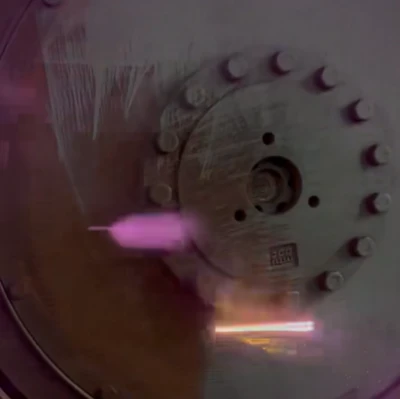
1. Laser Power and Electricity Consumption
How Does Laser Power Affect Operating Costs?
Laser power is one of the first specifications buyers consider when choosing a laser rust removal machine. Higher-power systems may remove rust faster in suitable applications, but they can also consume more electricity and require different cooling configurations.
For example, a 1000 W laser cleaning machine and a 2000 W system may have different operating costs depending on their actual power consumption, cleaning speed, and workload. A higher-power machine is not automatically more economical if the application does not require its additional capacity.
How to Calculate Laser Cleaning Electricity Costs
Electricity cost can be estimated using the following formula:
Electricity Cost = Average Power Consumption (kW) × Operating Hours × Electricity Price per kWh
Use the machine's measured total power consumption rather than the laser's rated optical output alone. The calculation should account for the laser source, cooling system, control equipment, and other auxiliary components where applicable.
For accurate budgeting, manufacturers should also consider idle time, standby operation, and the percentage of time the laser is actively cleaning.

2. Cleaning Speed and Production Efficiency
Why Does Cleaning Speed Matter?
The laser rust removal cost per square meter depends heavily on how quickly the machine can clean the required surface to the specified standard.
Cleaning speed varies with rust thickness, surface condition, material type, laser parameters, scan width, and the required cleanliness level. Light surface rust may be removed much faster than heavy corrosion or thick oxide layers.
How to Calculate the Cost per Square Meter
A useful starting point is:
Operating Cost per m² = Total Operating Cost per Hour ÷ Actual Cleaning Area per Hour
For example, if a machine's operating cost is $8 per hour and it cleans 4 m² per hour under a particular test condition, the estimated operating cost is $2 per m².
This is an illustrative calculation, not a guaranteed machine performance figure. Actual results should be established through sample cleaning tests using the customer's workpieces and required surface finish.
Why Real Production Throughput Is More Important Than Maximum Speed
Published maximum speeds do not always represent actual production performance. Loading, positioning, part geometry, inspection, and repeated passes can reduce the effective cleaning rate.
When evaluating a laser cleaning machine, buyers should request test results based on representative parts, including setup time and the required cleaning quality.

3. Labor Costs and Automation
How Many Operators Are Required?
Labor is an important component of the total operating cost of an industrial laser rust removal machine. Depending on the equipment design and production process, operators may need to position workpieces, control the cleaning head, inspect results, and move parts between stations.
A handheld laser cleaner may offer flexibility for maintenance and varied workpieces. An automated laser cleaning system may be more appropriate for repetitive production tasks where consistent positioning and processing time are important.
Can Automated Laser Cleaning Reduce Labor Costs?
Automation can reduce repetitive manual operations and improve process consistency. However, the overall savings depend on the initial equipment investment, fixture design, programming requirements, maintenance, and production volume.
For manufacturers processing large quantities of similar components, an automated laser cleaning system may improve productivity. For occasional maintenance work or small batches of varied parts, a handheld system may be more practical.

4. Maintenance, Consumables, and Spare Parts
What Maintenance Does a Laser Rust Removal Machine Require?
Routine maintenance may include cleaning optical components according to the manufacturer's instructions, inspecting cables and connectors, checking cooling performance, and maintaining the fume extraction system.
The required maintenance schedule depends on operating conditions, environmental cleanliness, machine design, and usage intensity. Following the equipment manufacturer's maintenance recommendations can help reduce unexpected downtime.
Does Laser Rust Removal Require Consumables?
Laser rust removal generally does not require abrasive media or chemical rust-removal agents as part of the laser cleaning process itself. Nevertheless, the complete system may still require replacement filters, protective optical components, and other service parts.
Rust and coating material removed during cleaning may also require suitable collection and disposal procedures. These costs should be included when comparing laser cleaning with sandblasting or chemical cleaning.
How to Reduce Maintenance Costs
Choose equipment with suitable industrial components, accessible service points, clear maintenance instructions, and reliable technical support. Maintaining proper operating conditions and using the correct laser parameters can also help protect the equipment and workpiece.
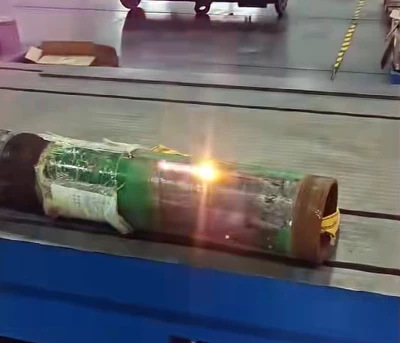
5. Fume Extraction and Workplace Safety
Why Is Fume Extraction Important?
Laser rust removal can generate airborne particles and fumes, particularly when rust is removed together with paint, oil, coatings, or other surface contaminants.
A suitable laser cleaning fume extraction system may therefore be necessary. Its operating cost can include electricity, filter replacement, inspection, and routine maintenance.
The required extraction capacity depends on the materials being processed, the cleaning process, and the work environment.
How Do Safety Requirements Affect Operating Costs?
Industrial laser cleaning systems require appropriate laser safety measures. Depending on the equipment configuration and application, these may include an enclosed work area, interlocks, protective eyewear, controlled access, and operator training.
These requirements should be included in the overall project budget rather than treated as optional expenses. Buyers should assess the complete installation and workplace safety requirements before purchasing equipment.
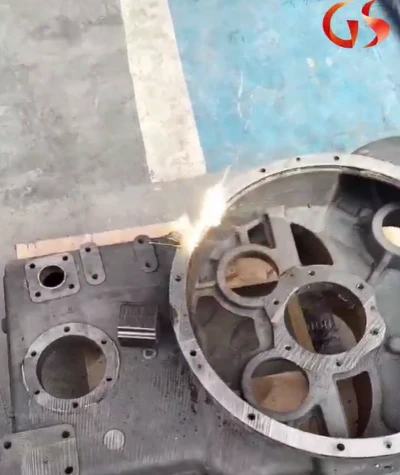
6. Laser Rust Removal vs. Sandblasting: Operating Cost Comparison
Comparing Equipment, Labor, and Consumables
Laser cleaning and sandblasting have different cost structures. Sandblasting may require abrasive media, media handling, dust collection, and waste management. Laser rust removal may reduce or eliminate certain consumable expenses, but it involves laser equipment, optical maintenance, safety measures, and potentially higher initial investment.
Neither process is always the lower-cost option. The best choice depends on the workpiece, rust condition, cleaning area, required surface quality, production volume, and local operating costs.
When Can Laser Cleaning Be More Economical?
Laser rust removal may be attractive for applications involving precision components, localized rust removal, valuable workpieces, or situations where abrasive residue must be minimized.
For large areas of heavy corrosion, conventional abrasive blasting may remain competitive. A fair comparison should use the cost per accepted part or per square meter cleaned to the same quality standard.
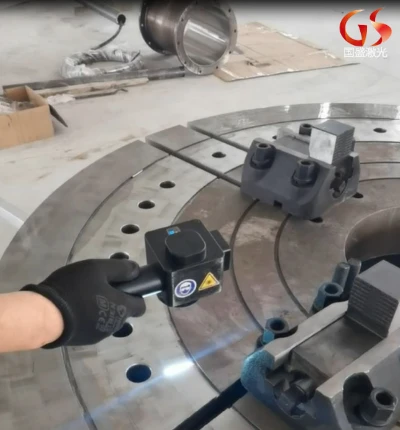
7. Initial Investment and Total Cost of Ownership
Why Is the Purchase Price Only Part of the Cost?
The purchase price of a laser rust removal machine is only one part of the total cost of ownership. Buyers should also consider installation, operator training, electricity, maintenance, filters, spare parts, downtime, and the expected service life of the equipment.
For automated systems, additional costs may include fixtures, motion systems, integration, and programming.
How to Calculate the Total Cost of Ownership
A practical evaluation can include:
* Initial equipment and installation costs
* Electricity and auxiliary equipment costs
* Labor and operator training
* Maintenance and spare parts
* Fume extraction and filter replacement
* Production downtime and rejected parts
* Expected annual cleaning volume
Dividing the relevant annual costs by the number of accepted parts or square meters cleaned provides a more meaningful comparison than looking at the purchase price alone.
8. How to Choose a Cost-Effective Laser Rust Removal Machine
Match the Equipment to Your Workpiece
Before selecting a machine, identify the base material, rust thickness, surface area, part geometry, and required surface finish. These factors influence the required laser configuration and the achievable cleaning rate.
Request a Sample Cleaning Test
A sample test is one of the most practical ways to evaluate laser cleaning efficiency and operating cost. Ask the supplier to record the equipment configuration, processing parameters, cleaning time, surface condition, and any post-processing requirements.
Whenever possible, use representative workpieces rather than relying only on demonstration samples.
Compare Suppliers Beyond the Quotation Price
When comparing laser rust removal machine manufacturers, review the laser source, optical components, cooling system, extraction requirements, warranty, spare parts availability, and technical support.
A machine with a lower purchase price may not deliver the lowest cost per accepted part if it requires more labor, slower processing, or more frequent maintenance.