

Introduction:
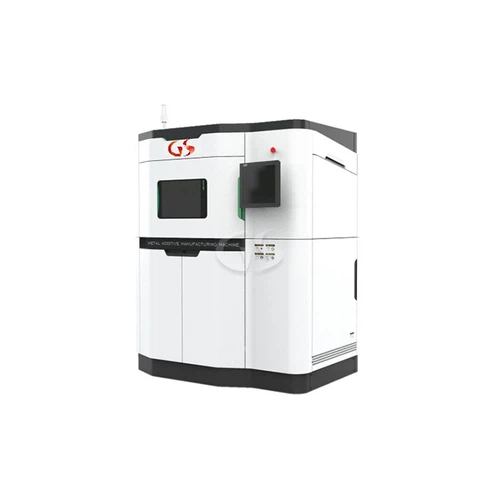
Industrial metal 3D printers are complex machines that require regular maintenance to ensure optimal performance and longevity. Proper maintenance not only extends the lifespan of the equipment but also helps to prevent costly downtime and ensures the quality of printed parts. In this comprehensive guide, we will explore the various maintenance tasks required for these metal 3D printers.
The Essential Maintenance Guide for These3D Printers
1. Regular Inspection:
One of the fundamental maintenance practices for these 3D printers is regular inspection. This involves visually examining the printer for any signs of wear, damage, or abnormalities. Components such as belts, pulleys, bearings, and nozzles should be checked for signs of wear and tear. Any loose or damaged parts should be repaired or replaced promptly to prevent further damage to the printer.
2. Cleaning:
Proper cleaning is essential for maintaining the functionality of industrial metal 3D printers. Dust, debris, and metal powder residue can accumulate on various parts of the printer, affecting performance and print quality. Regular cleaning of the build chamber, print bed, nozzles, and other components is necessary to prevent clogging and ensure smooth operation. Special attention should be paid to removing metal powder from the building chamber and filtration systems to prevent contamination and safety hazards.
3. Lubrication:
Many components of 3D printers rely on smooth movement for optimal performance. Lubrication is critical to reduce friction and wear between moving parts such as rails, bearings, and lead screws. However, it's essential to use lubricants recommended by the manufacturer to avoid damaging sensitive components or contaminating printed parts. Over-lubrication should also be avoided, as it can attract dust and debris, leading to performance issues.
4. Calibration:
Calibration is a crucial maintenance task that ensures the accuracy and precision of these metal 3D printers. This includes calibrating the print bed, nozzle height, temperature settings, and extrusion rate. Proper calibration not only improves print quality but also reduces the likelihood of printing errors and failed prints. Calibration should be performed regularly, especially after any significant modifications or repairs to the printer.
5. Firmware and Software Updates:
Keeping the firmware and software of industrial metal 3D printers up-to-date is essential for optimal performance and compatibility with the latest technologies. Manufacturers often release updates to address bugs, improve functionality, and introduce new features. Regularly checking for updates and installing them as recommended by the manufacturer helps ensure the smooth operation of the printer and can enhance its capabilities.
6. Filtration System Maintenance:
Many 3D printers are equipped with filtration systems to remove harmful particles and fumes generated during the printing process. These systems typically include filters that need to be regularly inspected and replaced to maintain their effectiveness. Failure to maintain the filtration system properly can result in poor air quality, health risks for operators, and potential damage to the printer.
7. Safety Checks:
Ensuring the safety of operators and the workplace is paramount when operating these 3D printers. Regular safety checks should be conducted to identify and address any potential hazards or safety concerns. This includes inspecting electrical components for signs of damage, verifying the integrity of safety features such as emergency stops and interlocks, and ensuring that proper ventilation is maintained to prevent the buildup of hazardous fumes.
What Are the Safety Considerations with Industrial Metal 3D Printers?
Safety considerations with industrial metal 3D printers are paramount due to the potential hazards associated with high temperatures, metal powders, and fumes. Firstly, proper ventilation is crucial to prevent the accumulation of hazardous fumes generated during the printing process. Operators should ensure adequate airflow in the printing area and use exhaust systems or fume extractors to remove potentially harmful gases.
Additionally, metal powders used in the printing process can pose a fire and explosion risk if not handled properly. Therefore, it's essential to store metal powders in designated containers away from ignition sources and implement proper handling procedures to minimize the risk of accidents.
Furthermore, these 3D printers operate at high temperatures, posing burn hazards to operators. Protective gear such as heat-resistant gloves and goggles should be worn when handling hot components or working in close proximity to the printer during operation.
Regular maintenance and inspection of the printer's components are also critical to identify and address any safety concerns promptly. Training operators on safe operating procedures and emergency protocols further enhances workplace safety when working with industrial metal 3D printers. Overall, prioritizing safety measures ensures a secure working environment and minimizes the risk of accidents or injuries.
Conclusion:
Proper maintenance is essential for maximizing the performance, reliability, and lifespan of industrial metal 3D printers. By implementing a regular maintenance schedule that includes inspection, cleaning, lubrication, calibration, firmware updates, filtration system maintenance, and safety checks, operators can ensure that their printers operate smoothly and produce high-quality parts consistently. Investing time and effort in maintenance not only reduces downtime and repair costs but also enhances safety and productivity in the manufacturing environment.
Xi'an Guosheng Laser Technology Co., Ltd. is a high-tech enterprise specializing in R&D, manufacturing and sales of automatic laser cladding machine, high-speed laser cladding machine, laser quenching machines, laser welding machine,s and laser 3D printing equipment. Our products are cost-effective and sold domestically and abroad. If you're interested in our products, please contact us at bob@gshenglaser.com.