

Protecting Precision Equipment in Cold Weather
Laser additive manufacturing equipment, including metal 3D printers and laser cladding systems, faces significant risks in low-temperature environments. When operating or stored below 5°C, water-based cooling systems can freeze, causing irreversible damage to lasers, water-cooling pipelines, and critical components like laser heads and powder feeders. For industries such as aerospace and medical implant production, where precision parts like turbine blades or orthopedic devices require consistent quality, cold weather-induced failures can lead to costly downtime and material waste. This guide outlines proactive measures-from environmental controls to coolant management-ensuring your laser equipment maintains optimal performance during winter. By implementing these strategies, manufacturers can safeguard against freezing, reduce maintenance costs, and uphold production schedules even in extreme conditions.

Understanding Cold Weather Risks for Laser Systems
Low temperatures pose two primary threats to laser additive manufacturing equipment: ice formation in cooling systems and thermal stress on components. Water expands when frozen, potentially cracking pipes, seals, and laser cavities-especially in high-power fiber lasers used for metal powder bed fusion or directed energy deposition. For example, temperatures below 0°C can solidify coolants within hours, jeopardizing lasers, chiller units, and motion systems. Additionally, sudden temperature drops may cause condensation on optical lenses or electronic boards, leading to short circuits or reduced beam quality. To mitigate these risks, monitor ambient conditions closely; the ideal operating environment stays between 5°C and 35°C, with humidity below 85%. In regions prone to subzero temperatures, invest in facility heating or insulated enclosures to maintain stable thermal conditions.
Selecting and Using Antifreeze Solutions for Water-Cooled Systems
Antifreeze liquids are essential for water-cooled laser equipment in winter. Unlike pure water, specialized coolants like ethylene glycol-based solutions (e.g., Clariant Antifrogen-N) lower the freezing point to -15°C or lower, protecting lasers, chillers, and powder feed systems. When selecting antifreeze, prioritize products designed for industrial laser systems-automotive variants can corrode metals or degrade seals. Key steps include:
- Dilution Ratio: Mix antifreeze with deionized water based on local minimum temperatures. For areas at -5°C, a 30% glycol-to-water ratio suffices; for -15°C, increase to 50%.
- System Flushing: Before winter, drain existing water and circulate antifreeze through chillers, lasers, and hoses. Use compressed air (0.2 MPa pressure) to clear residual moisture from low-lying pipes and filters.
- Spring Transition: Once temperatures consistently exceed 5°C, flush antifreeze thoroughly and revert to deionized water to prevent corrosion. Avoid year-round antifreeze use, as it can reduce cooling efficiency.


Active Winterization Strategies for Continuous Operation
Proactive measures minimize freezing risks without halting production. For active equipment, maintain 24-hour chiller operation-flowing water resists ice formation. Set low-temperature coolant settings to 5°–10°C to conserve energy while preventing stagnation. If power outages are likely, install backup generators or thermal blankets on chiller units. For extended shutdowns (e.g., holiday breaks), complete drainage is critical:
- Power down lasers and chillers.
- Open drain valves on chillers, filters, and laser heads.
- Use air compressors to blow out residual liquid from U-shaped pipes and powder feed nozzles.
- Store equipment in heated spaces above 5°C.
Safe Startup Procedures and Long-Term Maintenance
Cold-weather startups require caution to avoid thermal shock. Begin by verifying ambient temperatures exceed 5°C. If ice is present, warm the room gradually and wait 4+ hours for natural melting-never use force or heat guns. Next, power on chillers first, allowing coolant temperatures to stabilize at 25°C ±3°C before activating lasers. Initially, set energy outputs to 30% and run idle for 10 minutes to preheat optics and metal powder deposition systems. For long-term resilience, document maintenance in logs: schedule monthly checks for leaks, corrosion, and coolant pH levels. Train staff to recognize symptoms like reduced water flow or unusual noises, which indicate potential freezing damage.

Laser equipment components

Fiber Laser Machine

Laser Cladding Head
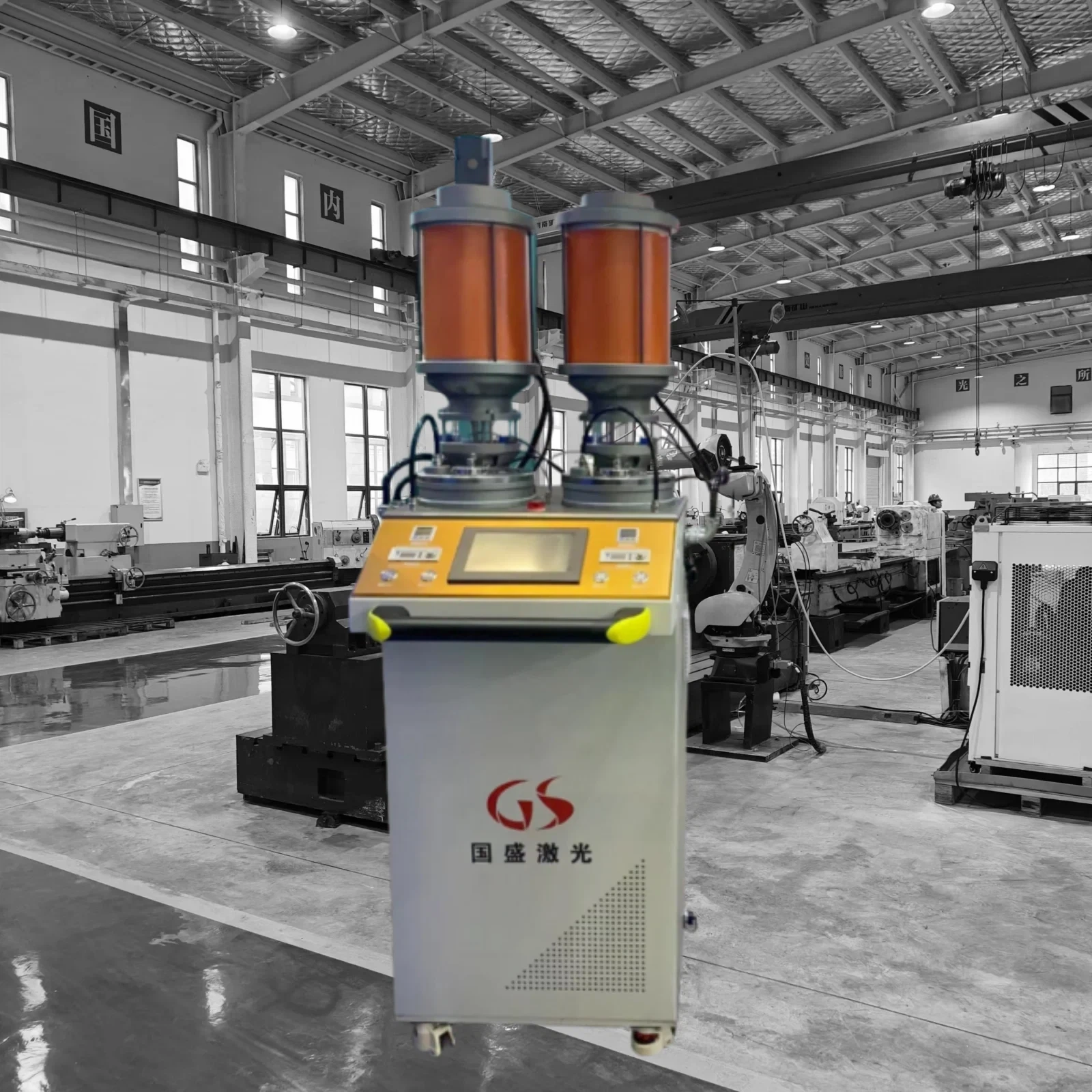
Powder Feeder

Laser Hardening Head
Prioritize Prevention for Uninterrupted Production
Winterizing laser additive manufacturing equipment is a cost-effective necessity. By combining environmental controls, certified antifreeze, and disciplined protocols, manufacturers can avoid catastrophic failures. Embrace these practices to ensure reliability for high-stakes applications-from aerospace turbine repairs to medical implant fabrication-regardless of weather challenges.
FAQ
Q: What is the minimum safe temperature for laser additive manufacturing equipment?
A: Laser equipment should not operate or be stored below 5°C. Temperatures under 0°C risk freezing coolants, which can rupture pipes and damage lasers. Use heaters or antifreeze to maintain safe conditions.
Q: Can I use automotive antifreeze in laser cooling systems?
A: No. Automotive formulas may corrode industrial laser components. Use specialized coolants like Clariant Antifrogen-N, diluted with deionized water based on local temperature needs.
Q: How should I restart a laser system after a cold shutdown?
A: First, ensure no ice is present. Power on chillers until coolant reaches 25°C, then activate the laser at 30% energy for 10 minutes of idle preheating before full operation.