

Sustainable Industrial Transition
Under the pressure of global "dual carbon" goals and strict Environmental, Social, and Governance (ESG) compliance mandates, traditional manufacturing faces unprecedented challenges. High-energy consumption and polluting manufacturing models are no longer sustainable, creating an urgent need for clean, efficient alternative processes. Sustainable laser cladding technology is evolving from a mere repair tool into a core pillar of green manufacturing strategies. This article explores how this advanced surface engineering method provides the industrial sector with a viable path toward low-carbon, environmentally friendly, and cost-effective sustainable development by maximizing resource efficiency and replacing hazardous existing processes.

The Core Philosophy of Green Additive Remanufacturing
The essence of sustainable laser cladding technology is highly efficient green additive remanufacturing. Unlike the traditional linear "take-make-dispose" model, it introduces a circular "repair-and-reuse" philosophy. By utilizing high-energy laser beams to precisely deposit alloy materials onto worn or corroded surfaces, this technology revitalizes high-value industrial components that were facing scrappage, often restoring them to performance levels exceeding new parts. This deep utilization of existing assets significantly reduces dependency on virgin mineral resources and mitigates the massive energy consumption associated with manufacturing new components, representing a key technical pathway for achieving source reduction in industry.
Significantly Reducing the Carbon Footprint of Industrial Parts
Viewed through Life Cycle Assessment (LCA), the quantifiable environmental benefits of remanufacturing with laser cladding are striking. Studies indicate that the energy required to repair a large shaft or gear component is often merely 20% to 30% of that needed to manufacture a new equivalent part, directly resulting in a significant reduction in industrial component carbon footprints. Furthermore, as a high-precision near-net-shape technology, the laser process achieves exceptionally high material utilization rates with minimal powder waste. Compared to the substantial volumes of scrap generated by traditional subtractive manufacturing, laser cladding demonstrates maximum efficiency and eco-friendliness in every gram of material utilized.


An Eco-Friendly Alternative to Hard Chrome Plating
A primary green contribution of laser cladding is its role as a superior alternative to hard chrome plating. Hard chrome plating has long been criticized under environmental regulations for severe heavy metal pollution-particularly carcinogenic hexavalent chromium-and hazardous waste streams that are difficult to manage. In contrast, laser cladding is a clean physical metallurgical process involving no toxic chemical baths, achieving near-zero emissions during operation. As global restrictions on hazardous substances, such as the EU REACH regulations, tighten, adopting this environmentally compliant surface treatment technology has become an essential strategy for enterprises to mitigate compliance risks and realize clean production.
Building a Laser Cladding Circular Economy Model
Integrating sustainable laser cladding technology into corporate strategy establishes a highly resilient laser cladding circular economy model. For sectors such as heavy machinery, energy, and aerospace, this signifies more than just substantially reduced maintenance costs and downtime; it is a strategic move to enhance corporate social responsibility (CSR) profiles. By enabling the repeated, high-quality repair of core components, enterprises can maintain materials at their highest value state within the economic cycle for extended periods. This model not only perfectly aligns with current demands for green supply chains but also secures valuable competitive advantages for businesses facing future carbon tariff trade barriers.

Laser equipment components

Fiber Laser Machine

Laser Cladding Head
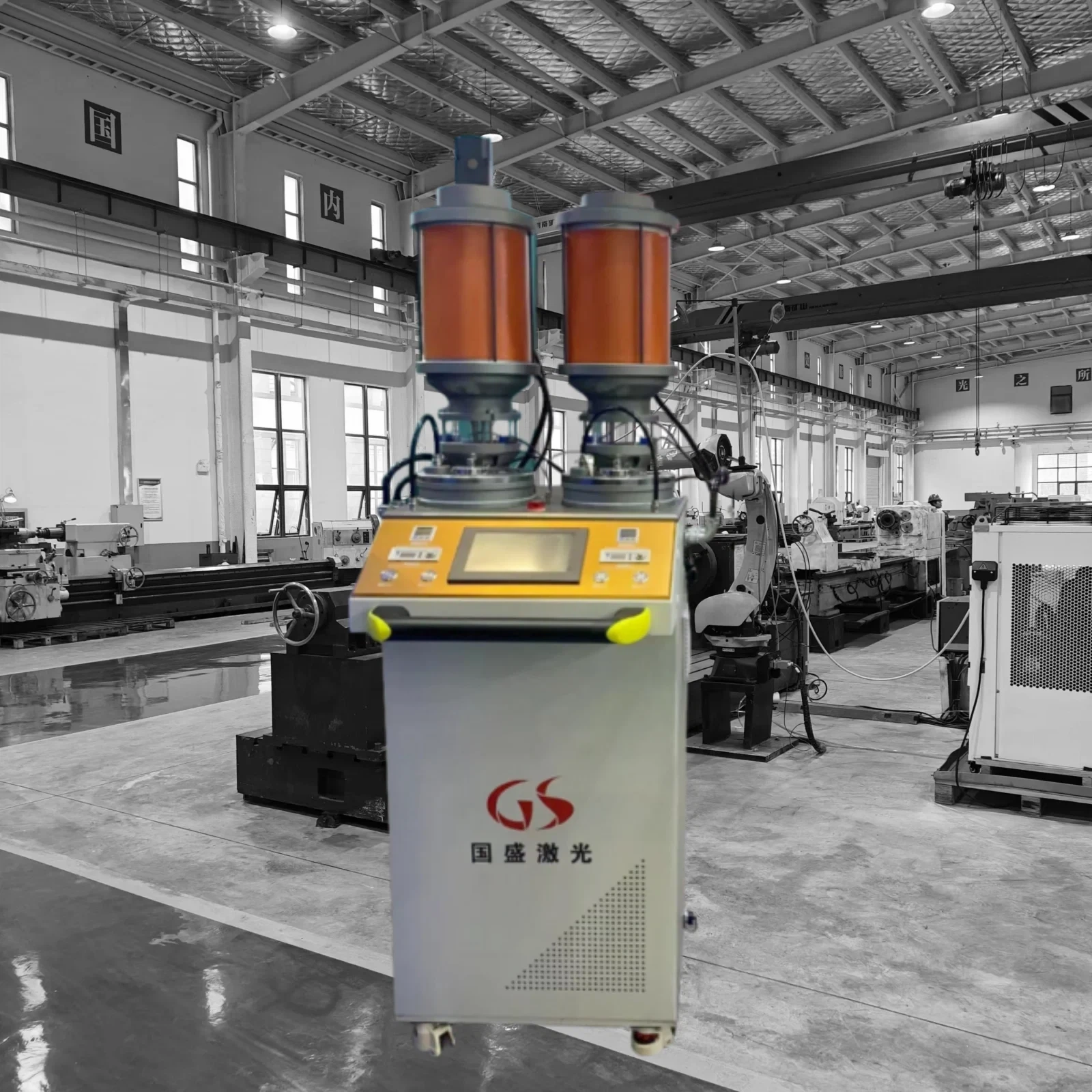
Powder Feeder

Laser Hardening Head
Embracing Green Tech for a Sustainable Future
In summary, sustainable laser cladding technology has transcended being a mere manufacturing process to become a vital bridge connecting industrial production with ecological environmental protection. By providing efficient remanufacturing capabilities, significantly reducing carbon emissions, and offering a complete substitute for high-pollution traditional processes, it outlines a clear green blueprint for the manufacturing sector. In an era of increasing resource scarcity, actively embracing and applying this green technology is not only a prudent strategy for cost reduction and efficiency gains but also an essential responsibility toward a sustainable future for the planet.