

Mechanical Component Damage and the Rise of Advanced Repair Techniques
With the continuous evolution of industrial manufacturing technologies, mechanical equipment is increasingly designed for high precision, high strength, high reliability, and long service life. However, due to harsh operating environments and complex working conditions, key components such as shafts inevitably suffer various types of damage and failures over long-term use, including wear, corrosion, and fracture. These failures not only compromise the normal operation of machinery but also pose significant safety risks to production. Consequently, the repair and remanufacturing of damaged and failed mechanical components have become critical research areas in industrial manufacturing. Traditional repair methods often fall short in achieving high bonding strength or sufficient coating density, failing to meet modern industrial performance standards. Against this backdrop, innovative solutions like wide-band laser cladding repair technology have emerged, offering an efficient and high-performance approach to addressing shaft component damage. This article will focus on the process flow, material selection, performance advantages, and application characteristics of wide-band laser cladding in shaft repair.
The Mechanism of High-Energy Layer Formation
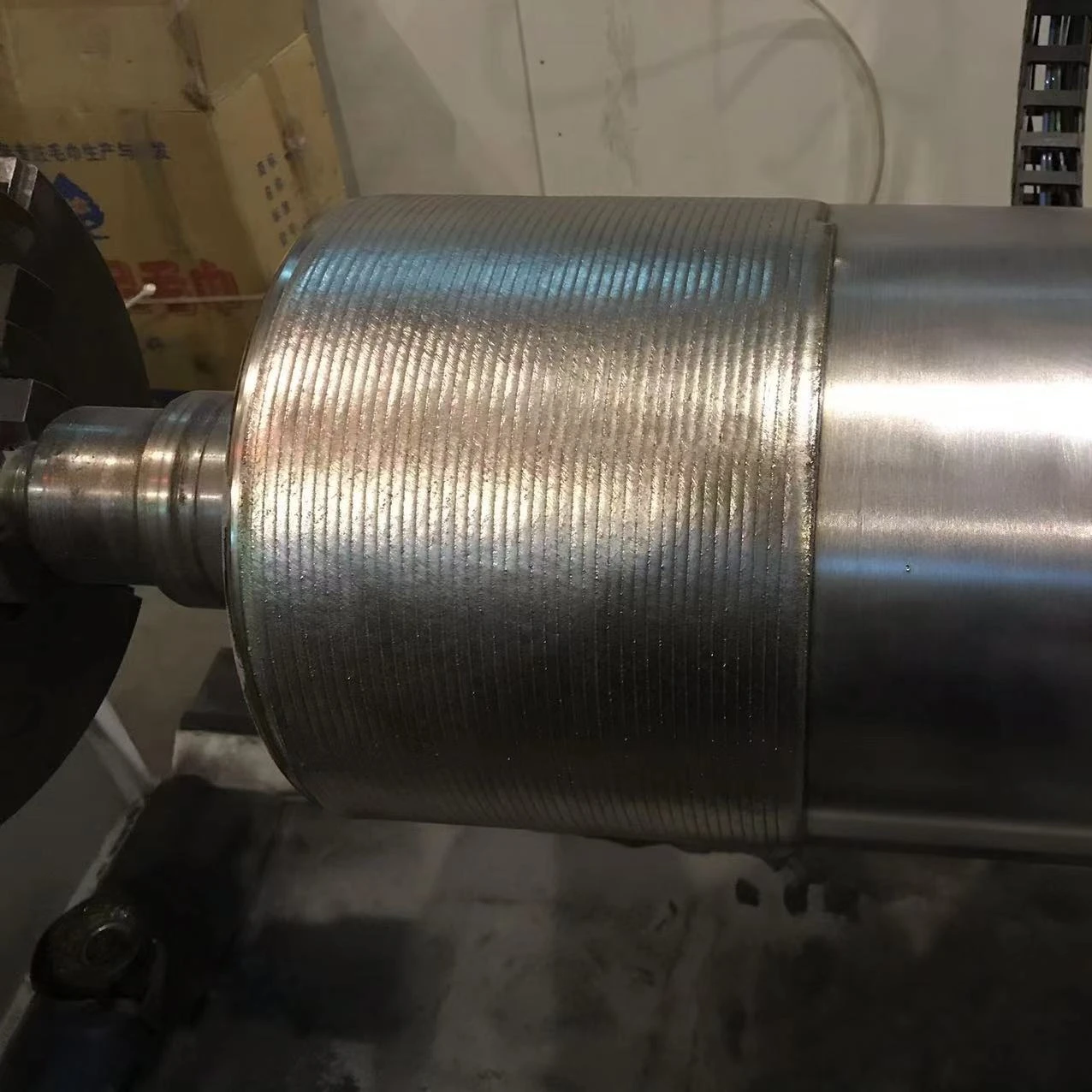
Wide-band laser cladding is a novel surface engineering technology that utilizes a high-energy wide-band laser beam as the heat source. The fundamental principle involves pre-placing or synchronously feeding alloy or ceramic powder (the cladding material) onto the surface of the damaged shaft. The laser beam rapidly scans and heats the material, causing the powder and a very thin layer of the substrate material to melt simultaneously, forming a transient molten pool. As the laser beam moves away, the molten pool solidifies quickly, forming a dense repair layer with a strong metallurgical bond to the substrate. This layer effectively restores the original dimensions of the component and significantly enhances its surface properties, such as wear and corrosion resistance. Compared to conventional techniques like surfacing or thermal spraying, wide-band laser cladding offers several key advantages: the high bonding strength between the repair layer and the base material (a metallurgical bond), high coating density, and the ability to form a fine-grained microstructure due to the extremely rapid cooling rate, which contributes to its superior wear resistance. Therefore, employing wide-band laser cladding to repair damage and failure in shaft components is increasingly becoming the preferred method for industrial remanufacturing and maintenance upgrades.
A Strict Five-Step Procedure
The successful repair of shaft components using wide-band laser cladding requires adherence to a stringent process flow to guarantee the quality and final performance of the repair. This procedure primarily consists of five critical steps. The first is Surface Preparation, which is crucial for achieving high bonding quality; it involves thorough grinding, cleaning, and drying of the shaft surface to completely remove oxides, grease, and any impurities. The second step is Coating Preparation, where alloy or ceramic powders (such as Nickel-based, Cobalt-based, or Iron-based) are mixed according to performance requirements and then uniformly applied or fed to the area to be repaired, forming a layer of the designated thickness. The third and core step is Laser Cladding Repair itself, where the high-energy wide-band laser beam scans the pre-placed powder, causing rapid melting to form the molten pool. The full melting and mixing of the powder materials, along with the metallurgical bonding to the substrate, results in the formation of the dense cladding layer. The fourth step is Post-Repair Treatment, which includes cooling, subsequent finishing processes like polishing and cleaning to remove excess cladding material and burrs. Finally, the Performance Testing stage is vital; the repaired shaft must undergo various tests for hardness, wear resistance, and corrosion resistance to confirm that the repair quality meets design specifications and operational standards.


Material Selection and the Key to Enhanced Performance in Shaft Repair
In the wide-band laser cladding process for shaft repair, the scientific selection of cladding materials is a pivotal factor determining the repair efficacy and the component's performance after remanufacturing. The choice of material must be based on the shaft's original material, the specific conditions of the service environment, and the required performance enhancements. Commonly used cladding materials include Nickel-based alloys, Cobalt-based alloys, Iron-based alloys, and ceramic particle reinforced alloys. For example, Nickel-based and Cobalt-based alloys are often selected for repairing shafts operating in high-temperature or highly corrosive environments due to their excellent resistance to wear, corrosion, and heat. Iron-based alloys offer cost advantages and good mechanical properties. Ceramic particle reinforced alloys (such as carbide particles) can significantly increase the cladding layer's hardness and wear resistance. By carefully selecting and optimizing the composition of these materials, the cladding layer can achieve superior performance and a longer lifespan compared to the base material. The precision of material selection is directly linked to the repaired shaft's ability to operate stably under severe working conditions, achieving high-performance remanufacturing.
Core Advantages and Application Value of Laser Cladding Repair
The use of wide-band laser cladding technology for shaft repair yields multiple performance advantages and significant application value. Firstly, its most notable feature is the extremely high bonding strength between the cladding layer and the base shaft material, resulting from the metallurgical bond, which markedly improves the shaft's overall stability and fatigue resistance. Secondly, by selecting superior alloy or ceramic powders, the repaired shaft is endowed with excellent wear resistance, which substantially extends the component's service life. Furthermore, the technique enables the formation of a highly corrosion-resistant repair layer on the shaft's external surface, effectively preventing attack by corrosive media and thus enhancing corrosion resistance. On the process front, wide-band laser cladding uses a high-energy laser beam, resulting in a minimal heat-affected zone (HAZ). This protects other undamaged parts of the shaft, avoiding the stress concentration and deformation issues common with traditional welding processes. Finally, compared to complete component replacement or complex traditional repair methods, laser cladding offers high repair efficiency, significantly reducing enterprise repair costs and downtime. These performance characteristics collectively ensure that wide-band laser cladding technology has broad application prospects in heavy industries such as petroleum, chemical, metallurgy, and electric power.

Laser equipment components

Fiber Laser Machine

Laser Cladding Head
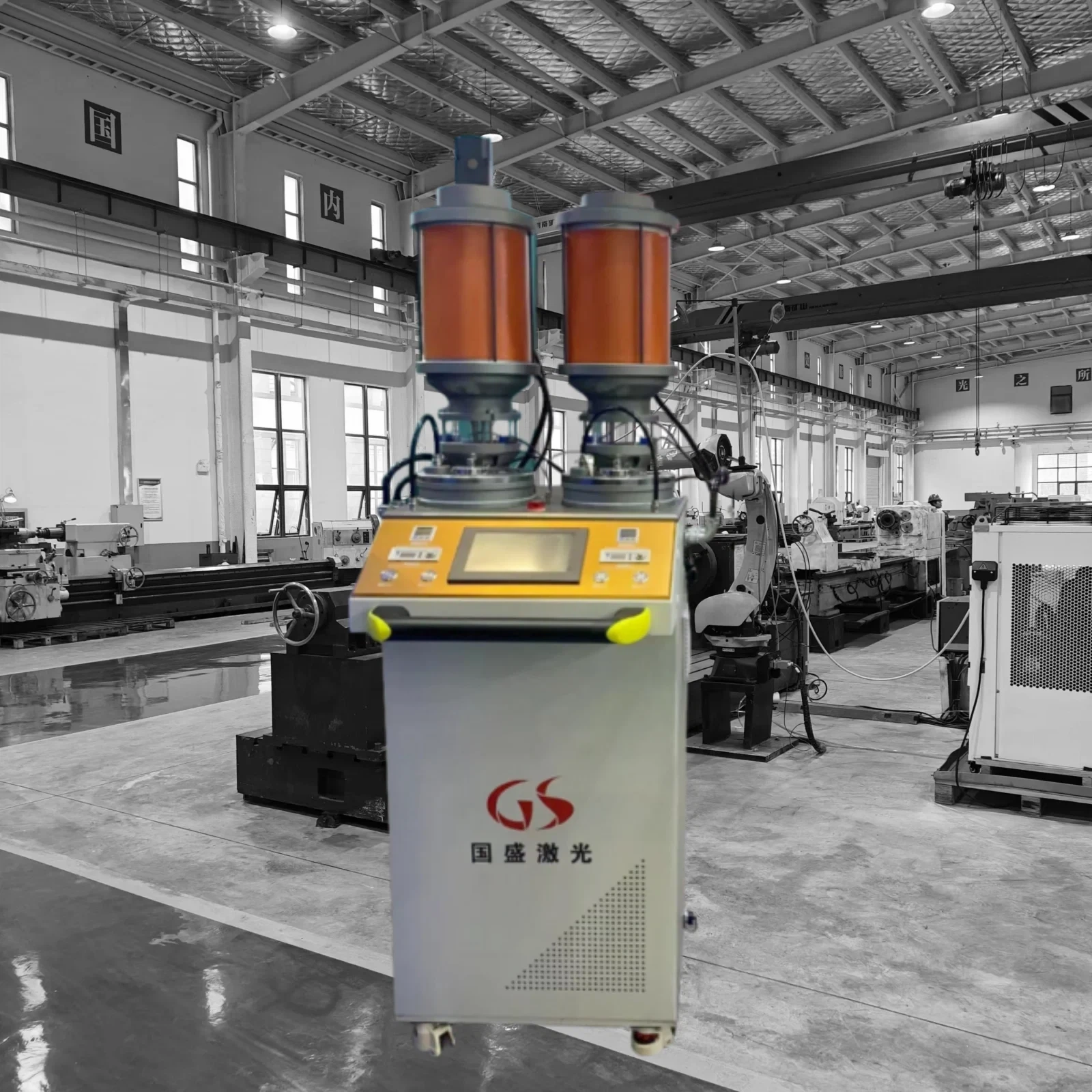
Powder Feeder

Laser Hardening Head
Wide-Band Laser Cladding Unlocks New Opportunities for Shaft Remanufacturing
In conclusion, addressing the pressing modern industrial demands for high reliability and long service life, the repair and remanufacturing of shaft components remains a central concern. Wide-band laser cladding repair technology, leveraging its distinct advantages-including high bonding strength, excellent wear resistance, a minimal heat-affected zone, and being both efficient and cost-effective-has successfully overcome the limitations of conventional repair methods. It stands as the ideal solution for rectifying shaft failures such as wear, corrosion, and fracture. From the rigorous five-step process flow to the precise selection of cladding materials based on operating conditions, this advanced technological system ensures that repaired shaft components not only recover their original dimensions but also gain significantly enhanced surface performance. This "hardcore" technology is currently leading the mechanical equipment remanufacturing industry towards higher quality and longer life cycles, providing strong technical support for enterprises seeking to reduce maintenance costs and ensure production safety.