

Laser cladding technology has become a game-changer in various industries, offering a precise and efficient method for surface enhancement. The utilization of laser cladding machines has paved the way for improved material properties, reduced downtime, and increased productivity. In this blog post, we will delve into the intricacies of laser cladding and explore its applications across multiple industries.
Understanding Laser Cladding
Laser cladding is an advanced technique used to deposit a layer of material onto a substrate, improving its surface properties and extending its lifespan. Unlike traditional cladding methods, such as welding or thermal spray, laser cladding utilizes a focused laser beam as a heat source to melt the coating material, which is then deposited onto the substrate. This process ensures metallurgical bonding between the coating and the substrate, resulting in superior material integrity and performance.
The process of laser cladding involves several key steps. First, the substrate is prepared by cleaning and preheating if necessary. Next, a laser beam is precisely directed onto the substrate, melting the coating material. Simultaneously, a powder feed nozzle releases the powdered coating material into the molten pool created by the laser beam. The high energy density of the laser beam promotes rapid solidification, leading to a well-bonded coating layer.

One of the significant advantages of laser cladding over conventional cladding techniques is its ability to create a highly accurate and controlled coating. The precision of the laser beam allows for intricate geometries and thin coatings, reducing the wastage of expensive materials. Additionally, laser cladding produces a minimal heat-affected zone (HAZ), minimizing the risk of distortion or damage to the substrate.
Applications of Laser Cladding
The versatility of laser cladding has led to its widespread adoption in various industries. Let's explore some of the key applications where laser cladding has proven to be highly beneficial.
Aerospace: In the aerospace industry, where safety and performance are paramount, laser cladding plays a crucial role. By applying wear-resistant coatings on turbine blades and fuel nozzles, laser cladding enhances their resistance to erosion, high temperatures, and corrosive environments. This results in improved efficiency, reduced maintenance costs, and increased aircraft longevity.
Automotive: Laser cladding finds its place in the automotive industry by providing wear and corrosion resistance to critical components. For example, engine cylinders and pistons can be coated with a protective layer, increasing their durability and reducing friction. Additionally, laser cladding is utilized for repairing worn or damaged parts, eliminating the need for expensive replacements and minimizing vehicle downtime.
Oil and Gas: In the demanding oil and gas sector, laser cladding offers efficient solutions for combating wear, corrosion, and erosion in components such as drilling tools, pumps, valves, and pipelines. By applying specialized coatings, laser cladding extends the service life of these components, ensuring the integrity and reliability of the infrastructure.
Power Generation: The power generation industry heavily relies on laser cladding for maintaining and refurbishing critical components in turbines, boilers, and heat exchangers. By adding protective coatings, laser cladding improves their resistance to high temperatures, oxidation, and abrasive particles. This enables power plants to operate at higher efficiencies, reducing downtime and increasing energy production.
Prospects of the Laser Cladding Equipment Market
In recent years, the market for laser cladding equipment has experienced significant growth and shows promising prospects for the future. The demand for laser cladding machines is driven by the increasing need for advanced surface enhancement techniques across multiple industries.
One of the main factors contributing to the market growth is the continuous development of laser cladding technology. Manufacturers are investing in research and development to enhance the capabilities of laser cladding machines, such as optimizing process parameters, improving powder delivery systems, and integrating intelligent control systems. These advancements result in more efficient, reliable, and user-friendly equipment.
Furthermore, the rising awareness among industries about the benefits of laser cladding is driving the demand for laser cladding machines. As companies seek to improve their production efficiency, enhance component durability, and reduce maintenance costs, laser cladding emerges as a cost-effective and sustainable solution.
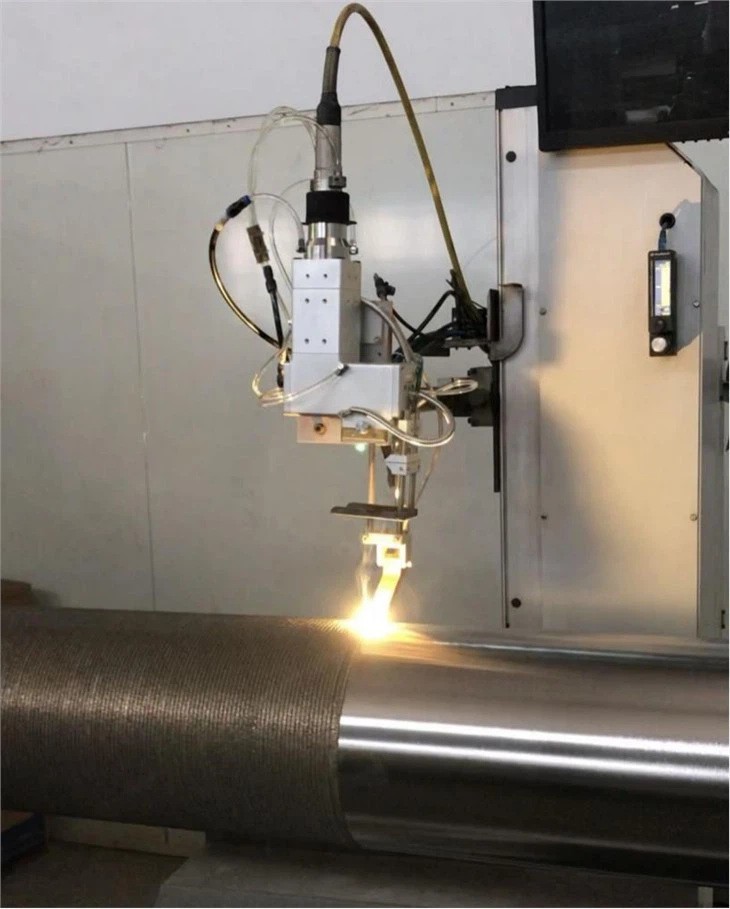
The market for laser cladding equipment is expected to witness further growth due to the expanding range of applications. As new industries recognize the potential of laser cladding in optimizing performance and extending the service life of critical components, the demand for laser cladding machines will continue to rise.
Key Takeaways
Laser cladding machines have revolutionized surface enhancement techniques across various industries. By enabling precise control, reduced heat-affected zones, and superior material properties, laser cladding has become the go-to method for improving component durability and performance. With its wide range of applications and the continuous advancement of technology, the market for laser cladding equipment is poised for future growth. Embracing laser cladding technology not only enhances productivity and efficiency but also promotes sustainable practices by extending the lifespan of valuable assets. For more information or any inquiries, please do not hesitate to reach out to us at terry@gshenglaser.com.