

Laser cladding technology is a valuable tool in materials engineering, particularly in the aerospace industry. It involves using a laser to melt and fuse a layer of material onto the surface of a component, resulting in improved performance and increased durability. Laser cladding has revolutionized the way manufacturers produce high-quality parts and has opened up new possibilities for designing complex shapes and structures. In this blog, we will focus specifically on internal laser cladding heads and their potential applications in the aerospace industry.
What are Internal Laser Cladding Heads?
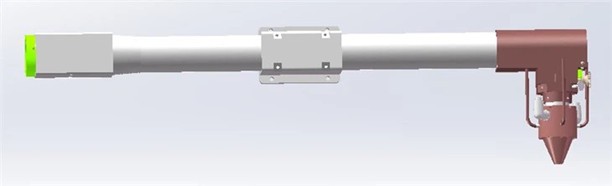
Internal laser cladding heads are a type of laser cladding tool used to improve precision and accuracy when repairing or producing components. Unlike traditional laser cladding, which involves adding material to the exterior of a part, internal laser cladding heads operate inside the component. They use a small laser beam to fuse material onto the interior wall of a component, creating a new layer or repairing damage without damaging the surrounding area.
Benefits of Internal Laser Cladding Heads
Internal laser cladding heads offer several benefits over traditional laser cladding techniques. One of the most significant advantages is their increased precision and accuracy. By working from the inside out, internal laser cladding heads can create precise coating thicknesses and repair localized damage without affecting the surrounding area. This makes them ideal for repairing high-value components, such as turbine blades or engine parts, without causing additional damage.

Aerospace Industry Needs
The aerospace industry has specific needs that can be addressed through the use of internal laser cladding heads. For example, increasing the lifespan of critical components, such as engine parts and landing gear, is crucial for improving safety and reducing maintenance costs. Additionally, the aerospace industry often requires parts with highly complex geometries, making internal laser cladding heads an essential tool for producing these components with precision and accuracy.
The aerospace industry has very specific needs when it comes to materials engineering. For example:
1. Weight reduction: One of the most critical concerns for the aerospace industry is reducing the weight of aircraft components. This can be achieved through the use of lightweight materials or by removing excess material from heavier components, while still ensuring they meet the necessary strength and durability requirements.
2. Durability and reliability: Aerospace components need to withstand extreme conditions, such as high temperatures and pressures, as well as environmental factors like moisture and corrosion. Materials used in aerospace applications must be highly durable and reliable to ensure the safety and longevity of aircraft.
3. Performance improvement: In order to maintain a competitive edge, aerospace companies need to continually improve the performance of their products. This can involve developing new materials or enhancing existing ones to achieve better fuel efficiency, faster speeds, or more efficient power generation.
4. Cost reduction: The aerospace industry is highly competitive, and companies are always looking for ways to reduce costs without compromising on quality or safety. By using laser cladding technology, aerospace companies can reduce waste and increase production efficiency, ultimately leading to cost savings.
Laser cladding technology can help address many of these needs by providing a faster, more precise, and more cost-effective method of component repair and manufacturing. For example, laser cladding can be used to repair and refurbish damaged turbine blades, which can extend their lifespan and reduce the need for costly replacements. Additionally, laser cladding can be used to apply wear-resistant coatings to components that are exposed to harsh conditions, further increasing their durability and reliability.
Examples of Internal Laser Cladding Applications
Internal laser cladding has numerous applications in the aerospace industry. For example, it can be used to repair or rebuild turbine blades, which are essential components in aircraft engines. By using an internal laser cladding head, technicians can fuse a layer of material onto the inside of the blade's damaged area, restoring its shape and function. Internal laser cladding heads can also be used to repair other engine components and landing gear parts, increasing their lifespan and reducing maintenance costs.
Benefits of Internal Laser Cladding
The benefits of internal laser cladding in the aerospace industry are significant. One advantage is reduced material waste, as internal laser cladding heads can add material only where it is needed, resulting in less waste and lower costs. Additionally, the increased precision and accuracy of internal laser cladding heads can result in fewer production errors and higher-quality parts, ultimately leading to longer part life and lower costs.
Implementation Challenges
While internal laser cladding technology offers significant potential benefits, there are also challenges associated with its implementation. One of the most significant challenges is training personnel on how to use the technology effectively. Additionally, developing new software and control systems that can handle the increased complexity of internal laser cladding processes is crucial for ensuring safe and effective application.
Future of Internal Laser Cladding in Aerospace
The future of internal laser cladding in the aerospace industry looks promising. As technology continues to improve, we may see increased automation of the process, making it possible to produce parts on a larger scale with even greater precision and accuracy. Additionally, internal laser cladding heads may be used to create parts and components from new materials, expanding their potential applications even further.
Internal laser cladding heads are a valuable tool for the aerospace industry, offering increased precision, accuracy, and reduced waste. While there are challenges associated with implementing the technology, the potential benefits make it a worthwhile investment for manufacturers looking to produce high-quality parts with complex geometries. As technology continues to improve, we can expect to see even more applications of internal laser cladding in the aerospace industry and beyond, revolutionizing materials engineering and manufacturing processes.
In conclusion, as internal laser cladding technology continues to evolve and revolutionize the aerospace industry, it is essential to partner with a reputable laser cladding equipment supplier that offers cutting-edge solutions to meet your specific needs. Guosheng is one such company, with a vast array of technical resources, strong R&D capabilities, and advanced production technologies. Our cost-effective Laser Cladding Equipment is sold domestically and abroad, making them an ideal partner for any manufacturer looking to improve their production processes. If you're interested in learning more about our products or services, please contact us at terry@gshenglaser.com.