

In 2026, global geopolitical tensions and ongoing conflicts have reshaped the priorities of defense and heavy industries. Supply chain disruptions, unpredictable logistics, and the demand for mission-critical reliability have pushed manufacturers to adopt advanced technologies that can withstand the chaos of crisis environments. Among these technologies, Laser Hardening has emerged as a cornerstone solution-offering unmatched durability, precision, and efficiency that traditional heat treatment methods simply cannot match. For defense contractors, heavy machinery producers, and strategic industry players, laser hardening is no longer an optional upgrade; it is a necessity to ensure operational continuity, meet strict compliance standards, and protect critical assets in an era of uncertainty.

1.Ultra-High Hardness for Military Vehicles, Weapons & Aerospace Components
In conflict zones and high-stakes defense applications, the durability of components can mean the difference between mission success and failure. 2026 has seen a surge in demand for military vehicles, weapons systems, and aerospace components that can withstand extreme wear, impact, and harsh environmental conditions-from desert combat zones to high-altitude aerospace operations. Laser Hardening delivers ultra-high hardness levels (often exceeding 60 HRC) to critical surfaces, creating a wear-resistant layer that protects against abrasion, corrosion, and fatigue. Unlike traditional heat treatments that can compromise the overall integrity of a part, laser hardening targets only the surface, preserving the core toughness of components like tank tracks, weapon barrels, aircraft landing gear, and missile guidance systems. This targeted approach ensures that defense equipment remains operational even in the most demanding scenarios, reducing the risk of in-field failures that could have catastrophic consequences.
2.Minimal Distortion, Maximum Reliability for Wartime Production
Wartime and crisis-driven production demands speed, consistency, and zero room for error. Traditional heat treatment methods-such as induction hardening or flame hardening-often cause significant part distortion, requiring additional machining and rework that delays production timelines. In 2026, with defense and heavy industry manufacturers racing to meet urgent orders amid supply chain delays, this inefficiency is unacceptable. Laser Hardening addresses this challenge by delivering precise, localized heat application, minimizing thermal distortion and eliminating the need for post-treatment machining. The process is controlled by advanced software and robotic systems, ensuring consistent results across every part-critical for maintaining the reliability of defense systems and heavy machinery. Whether producing large-scale military vehicle components or heavy equipment for infrastructure repair in conflict-affected regions, laser hardening enables manufacturers to meet tight deadlines without sacrificing quality or reliability.

3.Longer Service Intervals to Cut Downtime in Disrupted Logistics
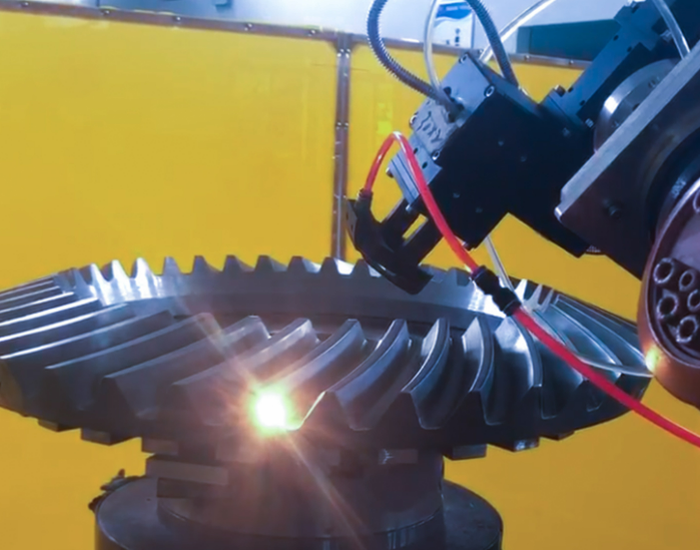
2026's global crises have severely disrupted supply chains, with shipping delays, tariff fluctuations, and material shortages making it difficult for defense and heavy industries to source replacement parts. In this environment, minimizing downtime and extending the service life of existing components has become a top priority. Laser Hardening significantly extends the service intervals of critical parts by creating a robust, wear-resistant surface that reduces the frequency of replacements. For military units operating in remote conflict zones, where access to replacement parts is limited, this means fewer maintenance stops and more operational uptime. For heavy industry players-such as construction, mining, and energy companies-longer service intervals translate to lower operational costs and less reliance on unstable supply chains. By reducing the need for frequent part replacements, laser hardening helps organizations maintain productivity even when logistics are disrupted, a key advantage in 2026's uncertain global landscape.
4.Certified Laser Hardening for Defense & Strategic Industry Compliance
Defense and strategic industries are held to the strictest quality and compliance standards, and in 2026, these standards have become even more rigorous amid global security concerns. Laser Hardening is uniquely positioned to meet these requirements, with certified processes that adhere to international standards (such as ISO 9001, AS9100 for aerospace, and military specifications like MIL-STD-1537). Unlike traditional heat treatments, which can be difficult to standardize and validate, laser hardening offers full process traceability-with detailed records of temperature, laser power, and treatment duration-ensuring that every component meets the exact specifications required for defense and strategic applications. This certification is critical for manufacturers looking to secure contracts with government defense agencies and global industrial clients, as it demonstrates a commitment to quality and reliability. In 2026, as compliance requirements tighten, laser hardening has become a key differentiator for companies operating in defense and heavy industries.
