Factors to Consider When Selecting a Laser Cladding Machine
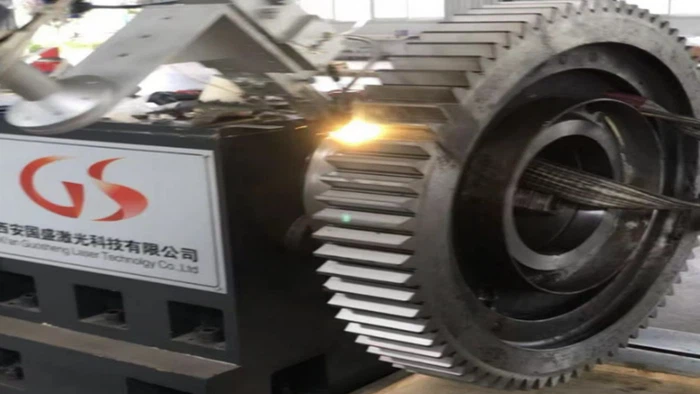
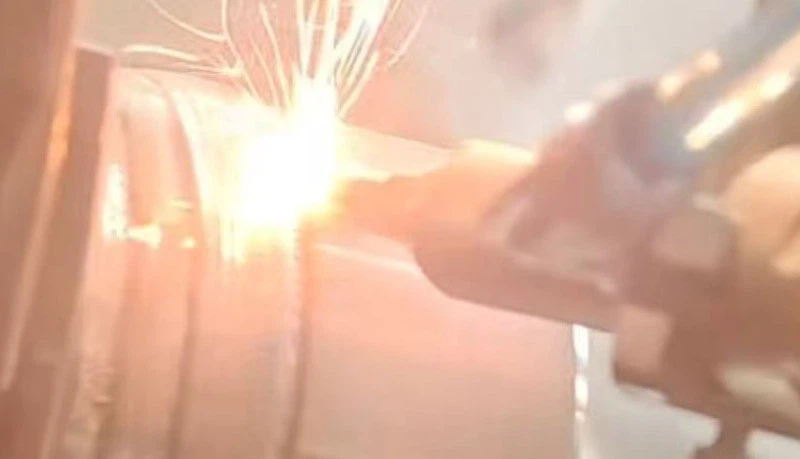
Choosing suitable Laser Cladding equipment starts with matching the machine to your actual production needs. Focus on key factors such as material types, part size, processing accuracy, and daily workload. You should also evaluate workspace layout, power supply, and cooling conditions to ensure stable and efficient operation.
Types of Laser Cladding Systems: Which One Fits Your Needs?
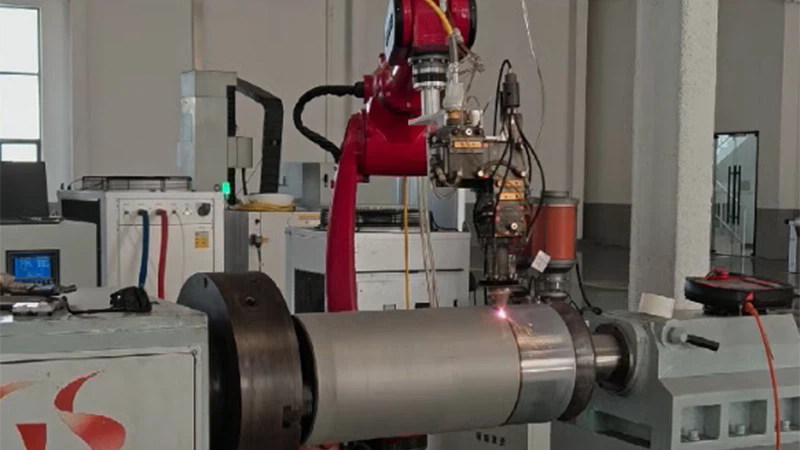
Different laser cladding systems serve different applications. Common types include fiber Laser Cladding machines, semiconductor laser systems, and integrated automated solutions. Benchtop models work for small parts, while gantry or robot-integrated systems support large-scale industrial repair and manufacturing. Select based on your workpiece shape, output requirements, and automation level.
Key Specifications for High-Quality Laser Cladding Equipment
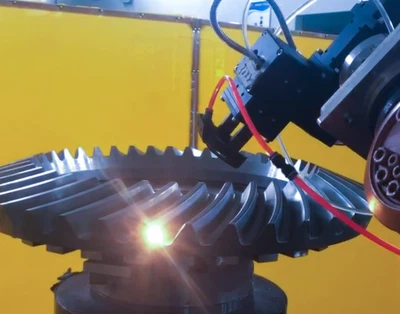
High-performance Laser Cladding equipment relies on core specifications. Important parameters include laser power, beam quality, powder feeding stability, cooling efficiency, and control precision. Reliable systems also feature stable optical components, user-friendly software, and strong durability. These specifications directly determine coating quality, processing speed, and equipment lifespan.
Investment vs. Return: Is Laser Cladding Equipment Worth It?
Investing in Laser Cladding equipment brings long-term business value. It reduces repair costs, extends component life, improves production efficiency, and expands service capabilities. When evaluating ROI, consider reduced maintenance expenses, higher product quality, and new market opportunities. For industrial and manufacturing businesses, laser cladding equipment is often a profitable and strategic investment.