

Introduction to Precision Internal Repair
Internal bore laser cladding repair represents a significant advancement in surface engineering and additive manufacturing technology. This process utilizes a focused, high-energy laser beam to melt and fuse specialized metallic powder or wire onto the inner surface of a component, creating a dense, metallurgically bonded coating. This guide explores its critical role in extending the service life of high-value industrial parts. For laser additive manufacturing OEMs, mastering and offering this capability is key to providing complete lifecycle solutions. It delivers rapid, high-quality repairs that restore or enhance original specifications, directly addressing costly downtime and part replacement in sectors from energy to aerospace, making it a vital service in the modern industrial toolkit.

The Science of Laser Metal Deposition
At its core, the process of internal bore cladding, a form of directed energy deposition (DED), relies on precise laser material interaction. A high-power laser beam is directed inside a bore, forming a small molten pool on the substrate. Simultaneously, additive manufacturing material-typically a metallic powder or wire-is injected into this pool. The laser's intense heat causes the feedstock and a thin layer of the base material to melt and mix, forming a new alloy layer upon solidification. Critical laser cladding parameters like laser power, beam spot size, scanning speed, and powder flow rate must be meticulously controlled. This ensures optimal clad layer thickness, minimal dilution with the substrate, and superior properties like a wear-resistant surface or corrosion-resistant coatings, which are essential for durable repairs.
Key Applications Across Critical Industries
This laser additive manufacturing technique is indispensable for refurbishing and enhancing critical internal geometries. In the oil and gas sector, it rebuilds worn oil drill pipe internal diameters and hydraulic cylinder bores. The chemical processing industry uses it to apply anti-corrosion layers inside pump housings and heat exchanger tubes. In power generation, it repairs turbine casing seals and boiler components. The aerospace industry relies on it for refurbishing engine turbine blades and hydraulic actuators, while automotive manufacturers apply it to salvage expensive engine blocks and gearbox housings. This wide applicability demonstrates its value in maintaining the integrity of complex, costly-to-replace components across key industrial applications.


Benefits and the OEM Advantage
The shift to internal bore repair with laser cladding offers transformative advantages over traditional methods like welding or sleeving. It provides exceptional process efficiency, high material utilization, and produces a fine microstructure with minimal heat input, reducing part distortion. For the end-user, this means restored parts often exceed original performance, especially in high temperature applications, dramatically extending service life extension. For the laser additive manufacturing equipment producer, integrating this capability is a powerful differentiator. It transitions your offering from pure production to comprehensive asset management, building deeper client partnerships. You provide not just a machine, but a profitable repair service solution that maximizes client ROI and reduces operational downtime significantly.
Process Considerations for Successful Implementation
Achieving consistent, high-integrity internal surface cladding requires attention to several factors. First, selecting the correct cladding powder material-such as stainless steels, nickel-based alloys, or cobalt alloys-is crucial to match or enhance the substrate's performance. Second, precise control of the laser cladding process parameters is non-negotiable for repeatability. Third, proper surface preparation, including thorough cleaning and pre-heating for some materials, is essential to prevent defects like porosity or lack of fusion. Finally, implementing robust post-process inspection, such as dimensional checks and non-destructive testing, guarantees the repair quality meets stringent industrial standards, ensuring reliability in the field.

Laser equipment components

Fiber Laser Machine

Laser Cladding Head
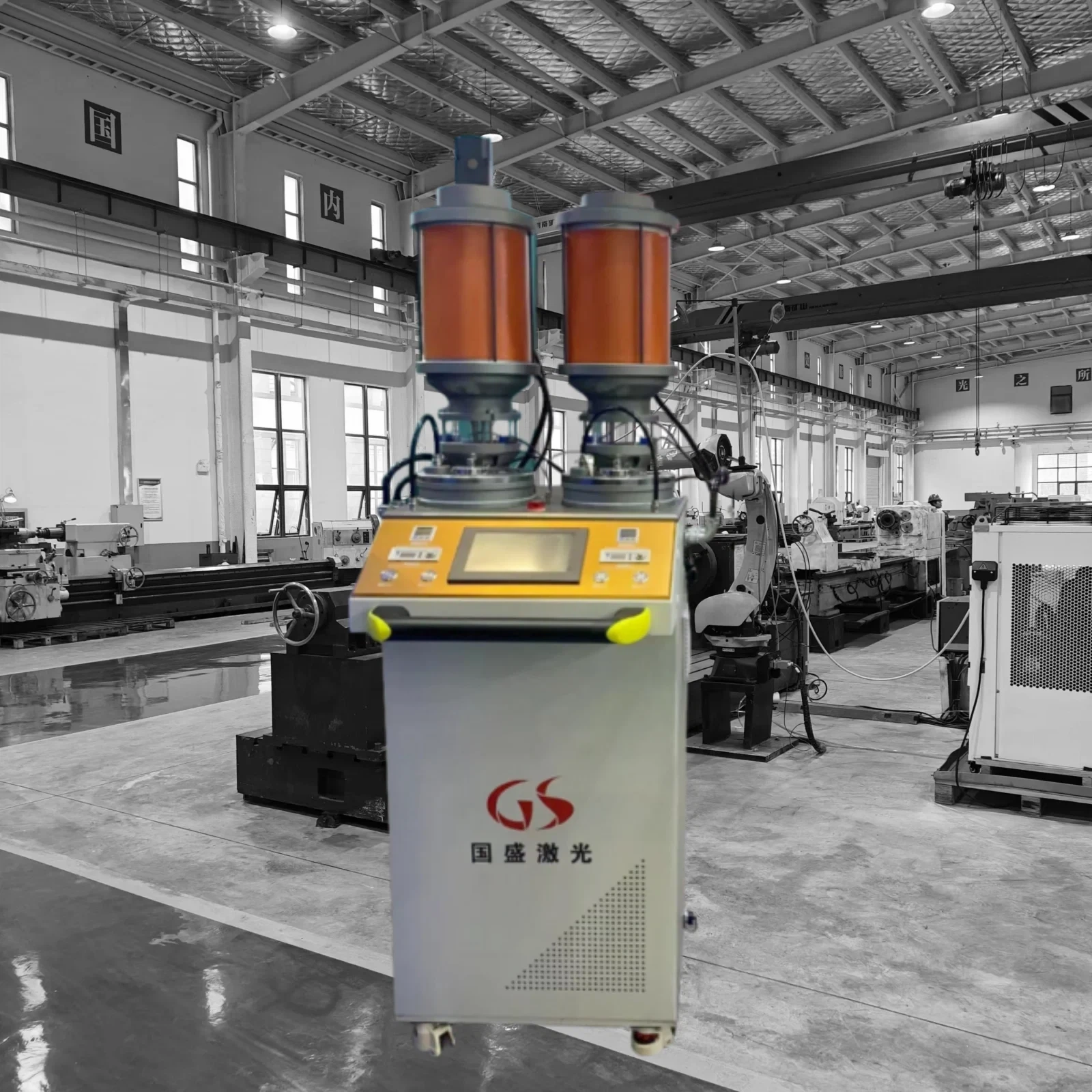
Powder Feeder

Laser Hardening Head
A Strategic Manufacturing Solution
In conclusion, internal bore laser cladding repair is far more than a niche fix; it is a strategic, value-driven manufacturing and maintenance solution. For OEMs in the laser additive manufacturing space, it represents a critical service extension that addresses the pressing industrial need for sustainable, cost-effective component lifecycle management. By enabling the high-performance restoration of precision internal features, this technology directly contributes to reduced waste, lower operational costs, and enhanced equipment availability. As industries continue to prioritize efficiency and sustainability, mastering and offering advanced laser metal deposition repair services will be a cornerstone of competitive advantage and technological leadership.
FAQ
Q: What is internal bore laser cladding?
A: Internal bore laser cladding is a laser additive manufacturing process that uses a high-energy laser to fuse metal powder onto the inner surface of a component. It creates a metallurgically bonded, wear or corrosion-resistant coating to repair and enhance parts like cylinders, pipes, and housings.
Q: Which industries use internal bore repair with laser cladding?
A: This technology is vital in industries like oil & gas (for drill pipes), chemical processing (for pumps and valves), power generation, aerospace (for engine parts), and automotive manufacturing. It is used wherever high-value components with internal wear or corrosion need restoration.
Q: What are the main benefits over traditional repair methods?
A: Key benefits include a superior metallurgical bond, minimal heat input reducing distortion, precise control over clad material properties, and the ability to apply advanced alloys. This leads to longer-lasting repairs, extended service life, and lower lifetime costs compared to welding or replacement.