

Laser cladding technology has emerged as a transformative force in the realm of industrial applications, offering precision and efficiency in enhancing material properties. At the heart of this innovative process are laser cladding nozzles, sophisticated tools that play a pivotal role in delivering precise material deposition. This comprehensive exploration aims to unravel the intricate role of the cladding nozzles in various industrial sectors, highlighting their significance in optimizing performance, extending component lifespan, and pushing the boundaries of what is achievable in manufacturing.
I. Overview of Laser Cladding Technology:
To appreciate the role it is essential to grasp the fundamentals of laser cladding technology. Unlike traditional coating methods, laser cladding involves the precise deposition of material onto specific surfaces, introducing a level of accuracy and control that was previously unattainable. The process utilizes a laser beam to melt and fuse a coating material onto a substrate, with the cladding nozzle serving as the conduit for this transformative operation.
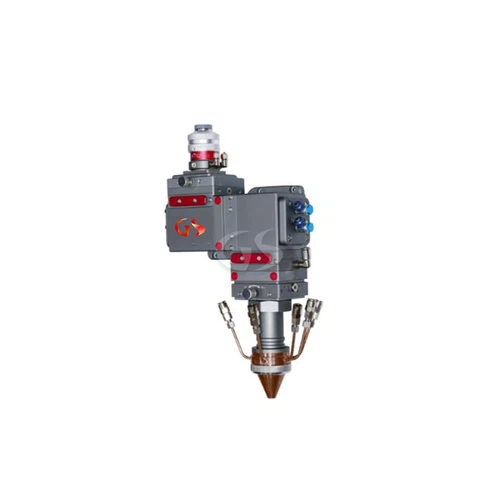
II. Precision Material Deposition:
The hallmark of laser cladding technology lies in its ability to achieve targeted surface enhancement. It through their intricate design and precise control mechanisms, facilitates the deposition of material with exceptional accuracy. This capability is particularly valuable in applications where specific areas require reinforcement, wear resistance, or improved corrosion protection. Industries such as aerospace, automotive, and oil and gas benefit immensely from this precision material deposition.
III. Industrial Sectors Benefiting from Laser Cladding:
1. Aerospace:
Laser cladding nozzles find extensive use in the aerospace industry for repairing and enhancing critical components. The technology contributes to weight reduction, improving fuel efficiency and overall performance. Whether it's refurbishing turbine blades or reinforcing structural elements, laser cladding plays a crucial role in elevating aerospace manufacturing standards.
2. Automotive:
In the automotive sector, laser cladding is employed to apply wear-resistant coatings on engine components. This not only extends the lifespan of crucial parts but also enhances overall engine efficiency. Laser-clad components withstand the rigors of constant friction and wear, resulting in more durable and reliable automotive systems.
3. Oil and Gas:
Harsh environmental conditions in the oil and gas industry demand robust solutions. Laser cladding nozzles aid in the application of corrosion-resistant coatings on equipment, ensuring longevity and reliability in offshore and onshore operations. The repair and refurbishment of critical components become more sustainable and cost-effective with the precision offered by laser cladding technology.
4. Tool and Die Manufacturing:
In the realm of tool and die manufacturing, laser cladding extends the lifespan of tooling through wear-resistant coatings. The precision of it allows for the targeted application of coatings, enhancing the performance of cutting tools and minimizing downtime in production processes.
IV. Nozzle Design for Specific Industrial Needs:
Customization for Material Compatibility:
The versatility of laser cladding technology is further accentuated by the adaptability of nozzle designs for compatibility with various materials. Nozzles are tailored to meet the specific requirements of different industries, accommodating alloys, ceramics, and composite materials with precision.
Temperature and Thermal Conductivity:
It is designed to withstand the high temperatures inherent in industrial processes. Efficient thermal conductivity ensures uniform material deposition, preventing inconsistencies in the coating and ensuring the reliability of the final product.
V. Improving Efficiency and Cost-Effectiveness:
1. Reduced Material Waste:
The precision offered by laser cladding nozzles translates into minimized material waste. With targeted deposition, manufacturers can achieve the desired coating thickness without excess material, contributing to cost-effectiveness and sustainability in production processes.
2. Faster Production Cycles:
The rapid material deposition facilitated by it accelerates production cycles. Industries benefit from shortened lead times, allowing for more agile and responsive manufacturing processes. This efficiency is particularly crucial in sectors where time-sensitive production is paramount.
VI. Emerging Trends and Innovations:
Advancements in Nozzle Technology:
As technology evolves, so do the capabilities of these cladding nozzles. Ongoing research and development efforts are leading to cutting-edge nozzle designs and materials. These innovations hold the promise of further improving the efficiency and capabilities of laser cladding technology, opening new possibilities for precision material deposition in diverse industrial sectors.
Conclusion:
In conclusion, the role of laser cladding nozzles in industrial applications is nothing short of revolutionary. From aerospace to automotive, and from oil and gas to tool and die manufacturing, these sophisticated nozzles enable precision material deposition, enhance component performance, and contribute to overall efficiency in manufacturing processes. As technology continues to advance, it is poised to play an even more significant role in shaping the future of industrial applications. Their intricate design and precise control mechanisms make them indispensable tools, pushing the boundaries of what is achievable in the world of manufacturing.
Xi'an Guosheng Laser Technology Co., Ltd. is a high-tech enterprise specializing in R&D, manufacturing and sales of automatic laser cladding machine, high-speed laser cladding machine, laser quenching machine, laser welding machine and laser 3D printing equipment. Our products are cost-effective and sold domestically and abroad. If you're interested in our products, please contact us at bob@gshenglaser.com.