

A frequency transducer, also known as a frequency converter or frequency sensor, is a device that converts a signal's frequency from one form to another. This conversion can take place in various electronic systems, and frequency transducers play a crucial role in applications ranging from communication systems to industrial automation. In this article, we'll explore the principles behind frequency transducers, their types, applications, and how they contribute to different fields.
Principles of Operation:
The primary function of a frequency transducer is to convert a frequency signal from its original form to another frequency domain. This process involves measuring the frequency of an input signal and generating an output signal with a different frequency. The conversion can be achieved through various methods, and the choice of method depends on the specific application requirements.
One common type of frequency transducer is based on the principle of variable capacitance. In this design, changes in capacitance induced by the input frequency signal are converted into voltage changes, resulting in a transformed frequency output. Another approach involves the use of frequency-to-voltage converters, where the input frequency is directly converted into a corresponding voltage signal.
Types of Frequency Transducers:
Variable Capacitance Transducers: These transducers utilize changes in capacitance induced by the input frequency signal. The variations in capacitance are then transformed into a different frequency or voltage output.
Frequency-to-Voltage Converters (FVC): FVC transducers directly convert the input frequency into a proportional voltage signal. This type is commonly used in applications where an analog voltage signal is more suitable.
Frequency-to-Current Converters (FCC): Similar to FVC, FCC transducers convert input frequency to a proportional current output. This is useful in applications where a current signal is preferred for transmission or processing.
Digital Frequency Transducers: These devices convert analog frequency signals into digital formats, facilitating compatibility with digital processing systems.
Resonant Frequency Transducers: Based on the resonance principle, these transducers use the natural frequency of a system to convert input frequencies into other forms.
What is the definition of a transducer?
A transducer is a device or instrument that converts one form of energy into another. Its primary function is to transform a physical quantity or signal from its original form into a corresponding electrical, mechanical, or optical signal that can be easily measured, processed, or transmitted. Transducers are fundamental in various fields, including electronics, instrumentation, communications, and automation.
There are different types of transducers, each designed to convert specific types of energy. For instance, a sensor is a type of transducer that converts physical parameters, such as temperature, pressure, or light, into electrical signals. Similarly, an actuator is a transducer that converts electrical signals into mechanical action, such as movement or displacement.
Transducers play a crucial role in bridging the gap between the physical world and electronic systems, enabling the measurement and control of diverse processes. Their versatility and wide-ranging applications make them integral components in devices like microphones, speakers, sensors, and numerous other technologies that rely on the conversion and manipulation of signals for information processing and transmission.
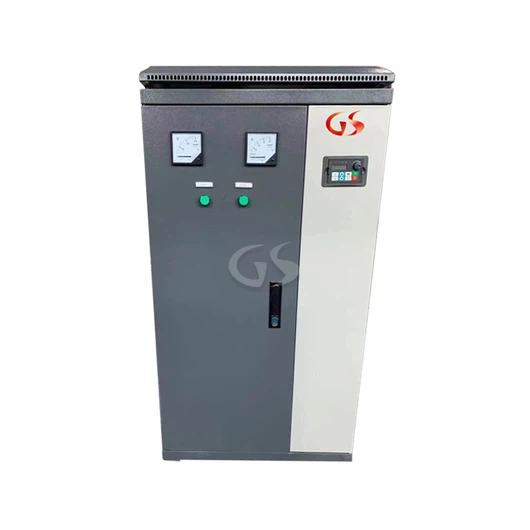
What is the best frequency for a transducer?
The "best" frequency for a transducer depends on the specific application and the nature of the signals involved. Transducers are designed to operate within certain frequency ranges, and the optimal frequency is determined by factors such as the physical properties of the material being measured, the desired level of precision, and the application's requirements.
In general terms, higher frequencies often allow for more detailed and accurate measurements, especially in applications like medical imaging or ultrasonic testing. However, higher frequencies may also result in greater signal attenuation over distance. Lower frequencies, on the other hand, may penetrate materials more effectively but might offer lower resolution.
Ultimately, the choice of frequency for a transducer involves a trade-off between factors like resolution, penetration depth, and the specific characteristics of the material or medium being sensed or measured. It's essential to carefully consider the requirements of the application to determine the most suitable frequency for a transducer.
Applications of Frequency Transducers:
Communication Systems: Frequency transducers are vital in communication systems for converting signals between different frequency bands, ensuring compatibility between various components and devices.
Industrial Automation: In industrial settings, frequency transducers are used for monitoring and controlling processes. They can convert frequency signals from sensors into formats suitable for control systems.
Power Electronics: Frequency transducers play a role in power electronics applications, converting signals to control the frequency of power supplies or inverters.
Aerospace: In aerospace engineering, frequency transducers are employed for various purposes, including signal conditioning and communication systems on aircraft and spacecraft.
Medical Devices: Frequency transducers are used in medical instruments to convert signals from sensors, such as those measuring heart rate or respiratory frequency, into formats suitable for monitoring or diagnosis.
Acoustic Measurements: In the field of acoustics, frequency transducers are utilized to convert acoustic signals into electrical signals for analysis and processing.
Automotive Systems: In automotive applications, frequency transducers can be found in sensors that convert wheel rotation frequencies into signals for anti-lock braking systems or engine control units.
Benefits of Frequency Transducers:
Signal Compatibility: Frequency transducers enable the integration of components and devices operating at different frequency ranges, ensuring compatibility in electronic systems.
Precision and Accuracy: These transducers provide precise and accurate frequency conversion, allowing for reliable signal processing in various applications.
Versatility: Frequency transducers come in different types, making them adaptable to a wide range of applications across diverse industries.
Monitoring and Control: In industrial and automation applications, frequency transducers facilitate the monitoring and control of processes by converting frequency signals into formats suitable for analysis and decision-making.
In conclusion, a frequency transducer is a versatile device that plays a critical role in converting frequency signals from one form to another in various electronic systems. Whether in communication systems, industrial automation, or medical devices, these transducers contribute to the seamless integration and functionality of diverse technologies across different industries.
Xi'an Guosheng Laser Technology Co., Ltd. is a high-tech enterprise specializing in R&D, manufacturing and sales of automatic laser cladding machine, high-speed laser cladding machine, laser quenching machine, laser welding machine and laser 3D printing equipment. Our products are cost-effective and sold domestically and abroad. If you're interested in our products, please contact us at sales@gshenglaser.com.