

Enhancing the Durability of Additive Manufactured Parts
In the realm of advanced manufacturing, laser additive manufacturing (LAM) has revolutionized the production of complex, high-value metal components for aerospace, automotive, and heavy machinery. However, the longevity and performance of these 3D printed parts often depend on their surface properties. Post-process surface hardening is critical to combat wear, fatigue, and corrosion. This is where innovative laser hardening equipment becomes vital. Unlike conventional methods, modern laser hardening systems offer a non-contact, precise solution to enhance the surface durability of additively manufactured gears, impellers, shafts, and tooling without compromising the intricate geometries or internal structures created during the metal 3D printing process. This article explores how targeted laser surface hardening integrates seamlessly into the digital manufacturing chain to elevate part performance.
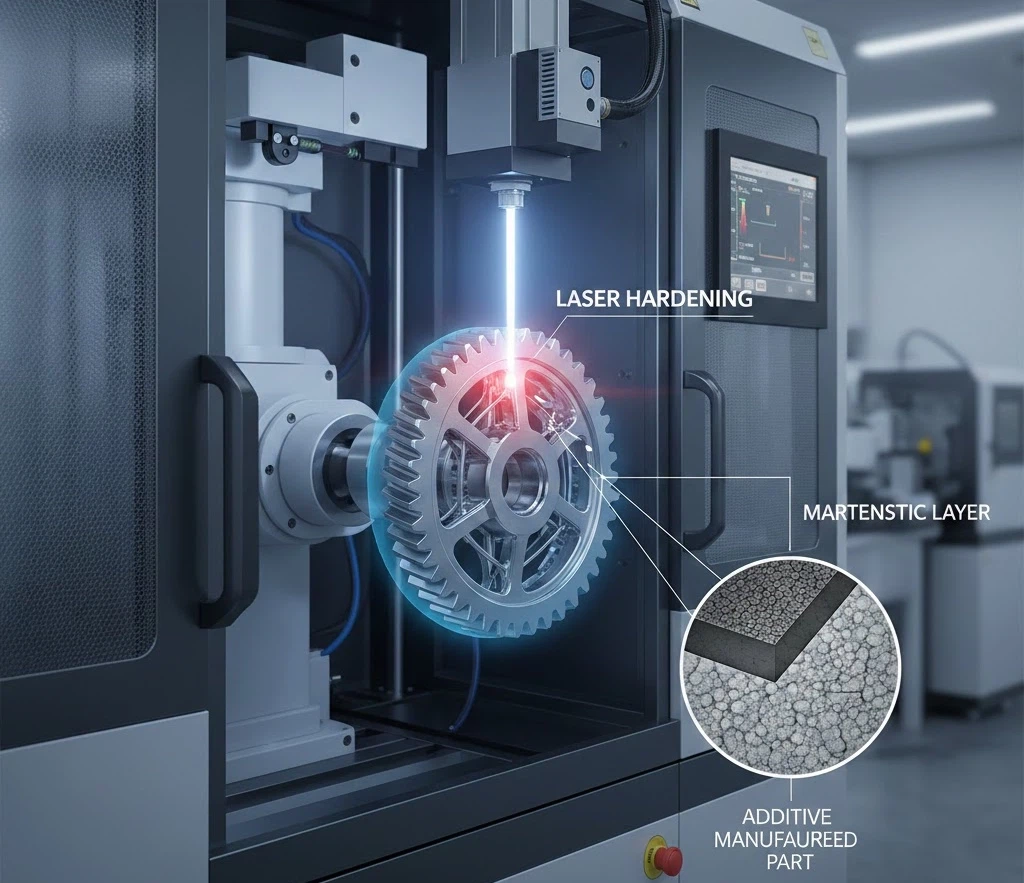
The Role of Laser Hardening in Additive Manufacturing Workflows
After a component is built via laser powder bed fusion or directed energy deposition, its as-built surface may require enhancement for end-use application. Internal laser hardening equipment addresses this need with exceptional precision. This technology utilizes a focused, high-energy density laser beam to rapidly heat a thin surface layer of the metal part. The subsequent rapid cooling, often through self-quenching by the cooler substrate mass, transforms the microstructure at the surface, creating a hard, wear-resistant martensitic layer. This process is particularly effective for steel alloys common in additive manufacturing. The precision is paramount for LAM parts, as it allows selective hardening of functional surfaces like gear teeth or bearing races on a complex, lightweight structure, preserving the part's core toughness and detailed internal features that are hallmarks of the additive design.
Selecting the Optimal Laser Source for Surface Hardening
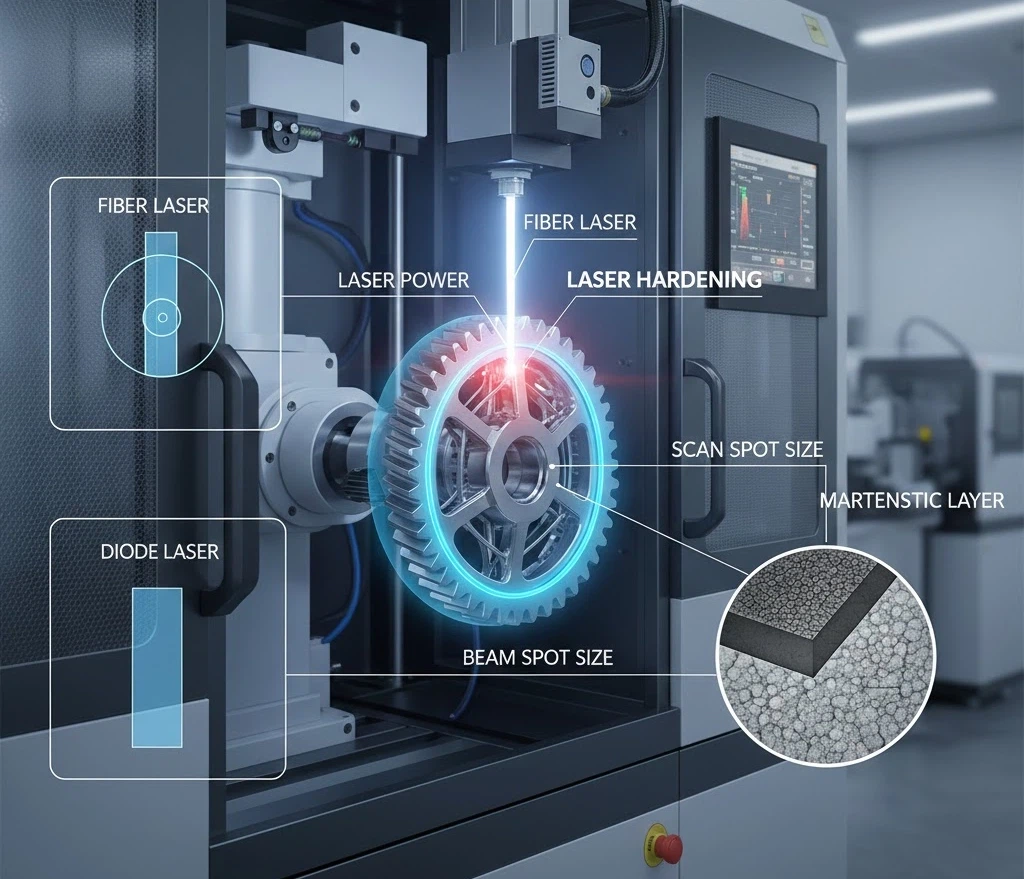
The effectiveness of the hardening process hinges on the laser source. Fiber lasers are predominantly favored in modern systems for their superior beam quality, high efficiency, and robust performance. Their wavelength offers excellent absorption on many metal surfaces, ensuring efficient energy transfer for consistent hardening results. For additive manufactured components, which can feature varying surface roughness from the printing process, the controllability of a fiber laser is crucial. Diode lasers are also gaining traction for broader area hardening due to their rectangular beam profile and operational economy. The choice between a fiber or diode laser system often depends on the specific hardening application, the alloy material, and the required hardened case depth. Key processing parameters like laser power, scan speed, and beam spot size are finely tuned to achieve the desired surface hardness and depth without causing thermal distortion to the delicate geometries of the 3D printed part.
Advantages of Laser Hardening Over Traditional Thermal Methods
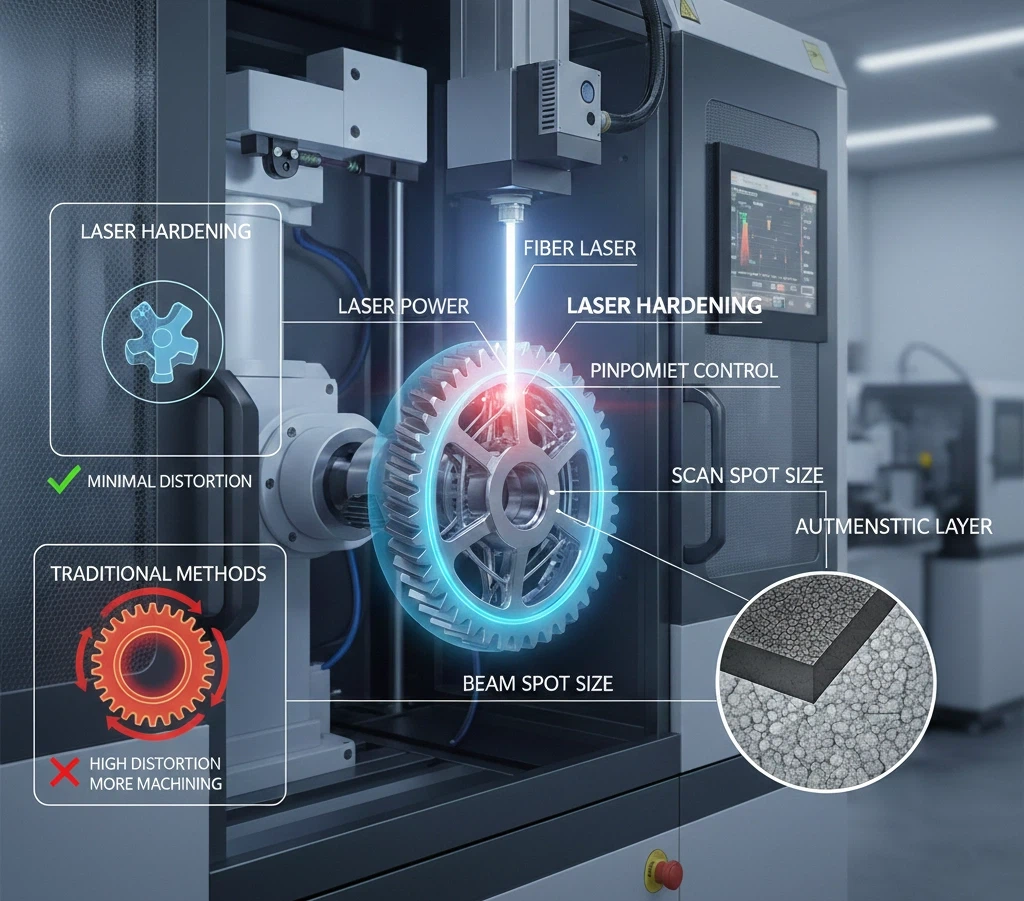
For finishing additive manufactured parts, laser hardening presents distinct advantages over traditional flame or induction hardening. The primary benefit is pinpoint control and minimal heat input. The concentrated laser beam creates a precisely defined heat-affected zone, drastically reducing thermal distortion-a critical consideration for maintaining the dimensional accuracy of a net-shape or near-net-shape printed component. This localized heating also eliminates the need for subsequent extensive machining. Furthermore, laser hardening is an automated, repeatable process driven by CNC or robotic paths, often using the same digital CAD data from the additive build stage. This ensures consistent hardness profiles even on complex contours, outperforming the inconsistent results and manual dependency of flame hardening. The non-contact nature also means there is no tool wear, making it ideal for high-mix, low-volume production common in additive manufacturing.
Cost-Benefit Analysis for Laser Hardening Equipment Integration
Integrating a laser hardening system represents a strategic investment. Initial costs encompass the laser source, processing optics, CNC or robotic integration, and chiller systems. For manufacturers specializing in metal additive manufacturing, a fiber laser hardening system offers compelling long-term value. The automation reduces labor costs and scrap rates associated with distortion from less precise methods. The enhanced part longevity directly translates to higher performance and reliability for end-users in demanding sectors like aerospace or medical implants. Additionally, the flexibility to harden diverse part geometries on a single platform supports the agile production models enabled by 3D printing. When calculating ROI, factors like increased throughput, reduced post-process machining, and the premium commanded by high-performance, durable additive manufactured components must be considered, often justifying the capital expenditure.

Laser equipment components

Fiber Laser Machine

Laser Cladding Head
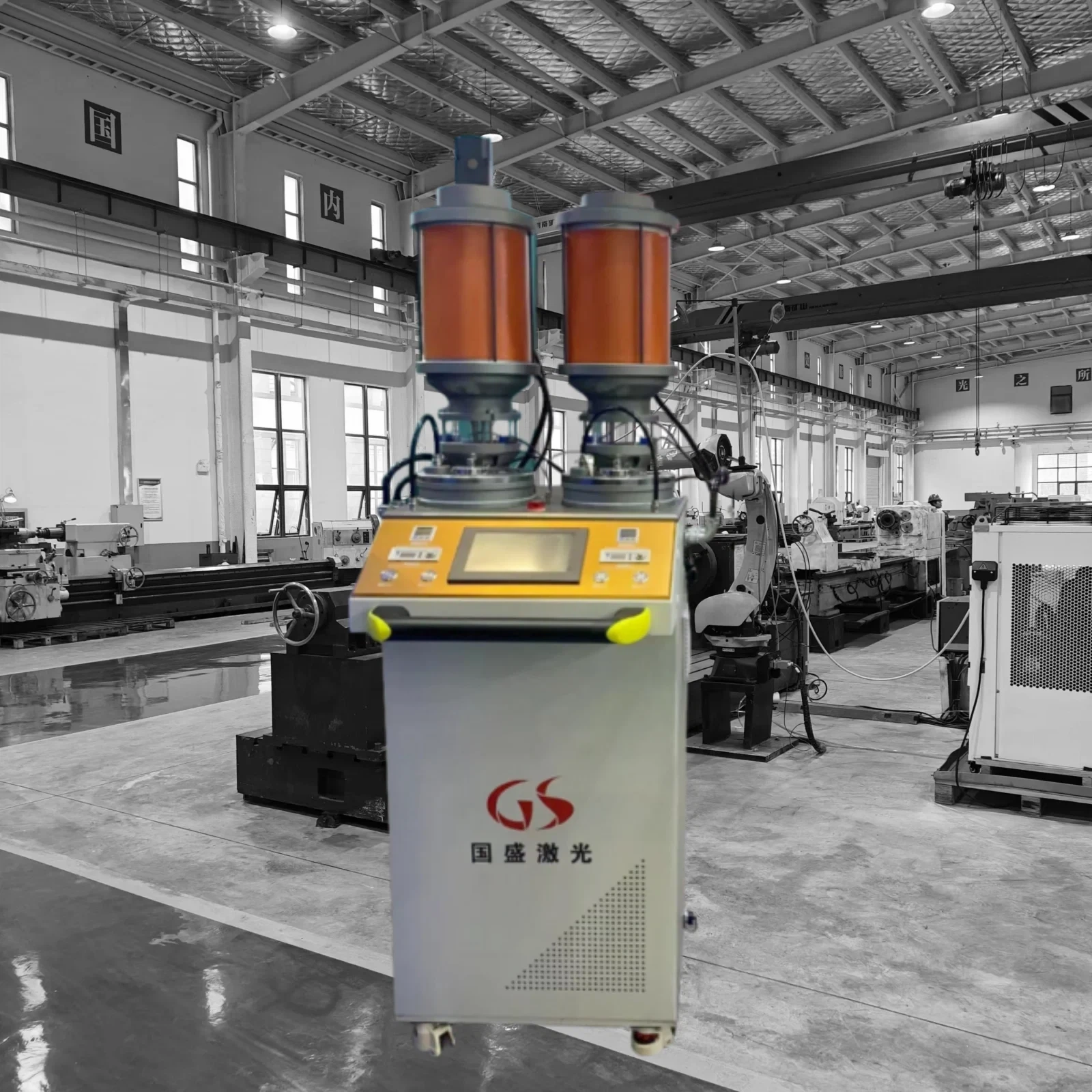
Powder Feeder

Laser Hardening Head
A Synergistic Approach to Advanced Manufacturing
Laser surface hardening is not merely a standalone process but a powerful complementary technology to laser additive manufacturing. It closes the quality loop by providing a precise, efficient method to impart exceptional surface properties to complex 3D printed metal parts. By leveraging technologies like fiber lasers, manufacturers can achieve consistent, localized hardening that enhances wear and fatigue resistance without compromising design integrity. This synergy between additive creation and subtractive enhancement unlocks the full potential of digital manufacturing, producing end-use components that are not only complex and lightweight but also exceptionally durable and reliable for critical applications.
FAQ
Q: Why is laser hardening preferred for post-processing metal 3D printed parts?
A: Laser hardening is preferred due to its precise, localized heat input which minimizes thermal distortion on the intricate geometries of additive manufactured components, ensuring dimensional accuracy is maintained while improving surface durability.
Q: What is the typical cost range for integrating a laser hardening system?
A: Integration costs vary based on automation level and laser power, but the investment is offset by reduced scrap rates, lower labor costs, and the ability to produce higher-value, longer-lasting additive manufactured parts for industries like aerospace.
Q: Which materials used in laser additive manufacturing are suitable for laser hardening?
A: Common LAM materials like tool steels (e.g., H13, Maraging Steel), stainless steels (e.g., 316L, 17-4 PH), and other alloy steels with sufficient carbon content are highly suitable for laser surface hardening to achieve a wear-resistant case.