

Laser Welding Technology: A Complete Guide to Characteristics, Advantages, Defects, and Process Parameters
As an advanced welding technology that uses high-energy laser pulses to achieve localized heating and melting of materials, laser welding has become a critical process in industrial fields such as automotive manufacturing, electronic components, medical devices, and aerospace, thanks to its core features of high precision and high efficiency. By precisely controlling the energy of laser radiation, it forms a stable molten pool on the material surface-addressing issues like high deformation and low precision in traditional welding, while also facing challenges such as strict positioning requirements and high equipment costs. This article will analyze laser welding from four key dimensions: core characteristics, process advantages, common defects and solutions, and key parameters, providing comprehensive and practical technical references for industry practitioners.
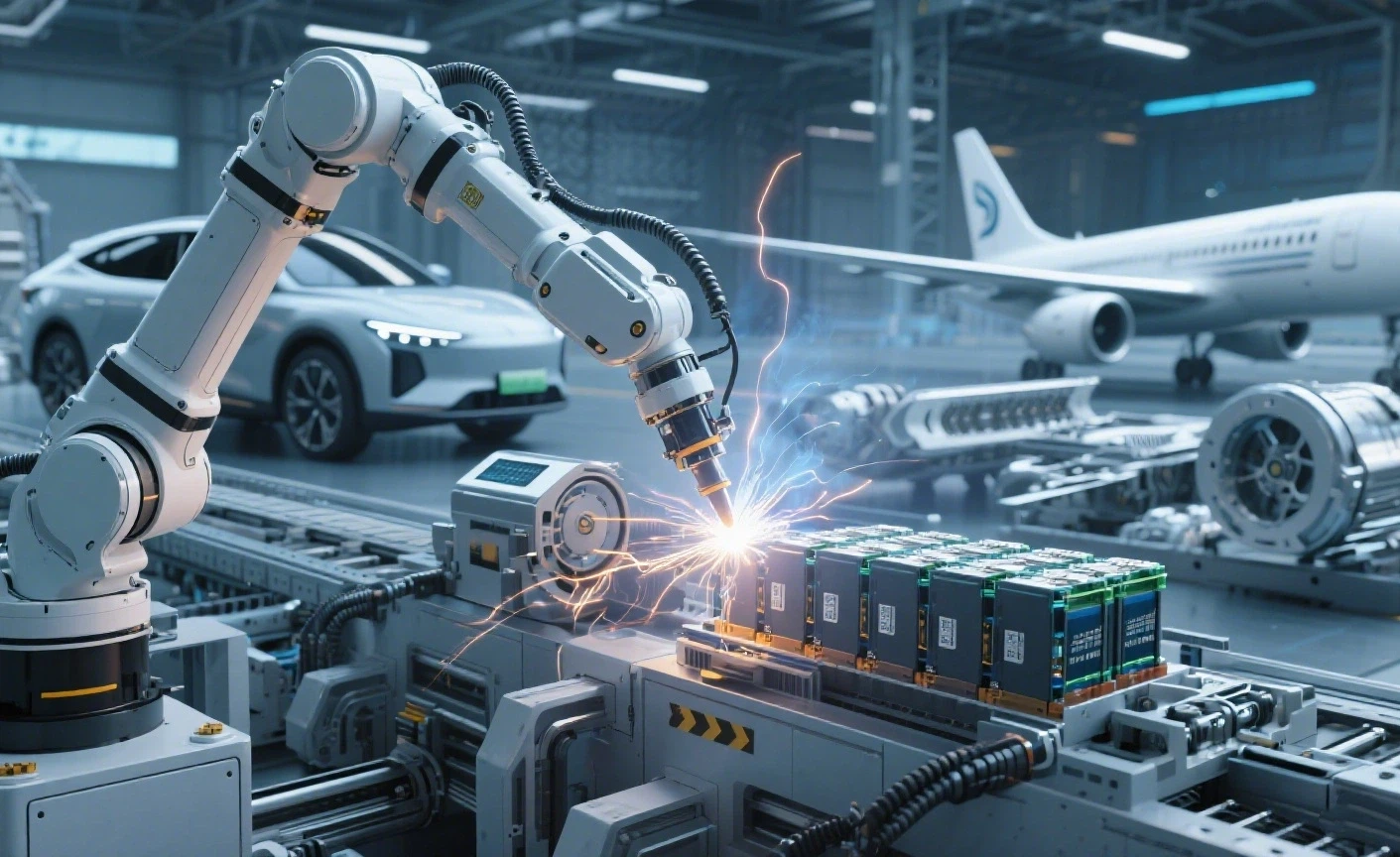
Core Technical Characteristics of Laser Welding Equipment
The competitiveness of laser welding equipment stems from its unique technical design, which can meet diverse industrial needs. Firstly, it balances welding efficiency and quality: not only does it offer fast welding speed and large penetration depth, but it also controls workpiece deformation through localized heating, making it suitable for mass production scenarios. Secondly, it has strong environmental adaptability-no complex pre-treatment is required for operation under normal temperature, vacuum, or specific gas environments. The laser beam is not affected by electromagnetic fields and can even penetrate transparent materials like glass to achieve non-contact welding. Thirdly, it has broad material compatibility: it can stably weld refractory materials such as titanium and quartz, and also enable the connection of dissimilar metals (e.g., materials with different resistances or melting points). Additionally, the equipment supports both precision and high-efficiency dual-mode operations-after focusing, the laser spot is extremely small, allowing for precise welding of micro-sized workpieces. At the same time, through energy splitting and time-sharing technology, it realizes multi-station simultaneous or time-sharing welding, significantly improving equipment utilization.
Core Advantages of Laser Welding Over Traditional Processes
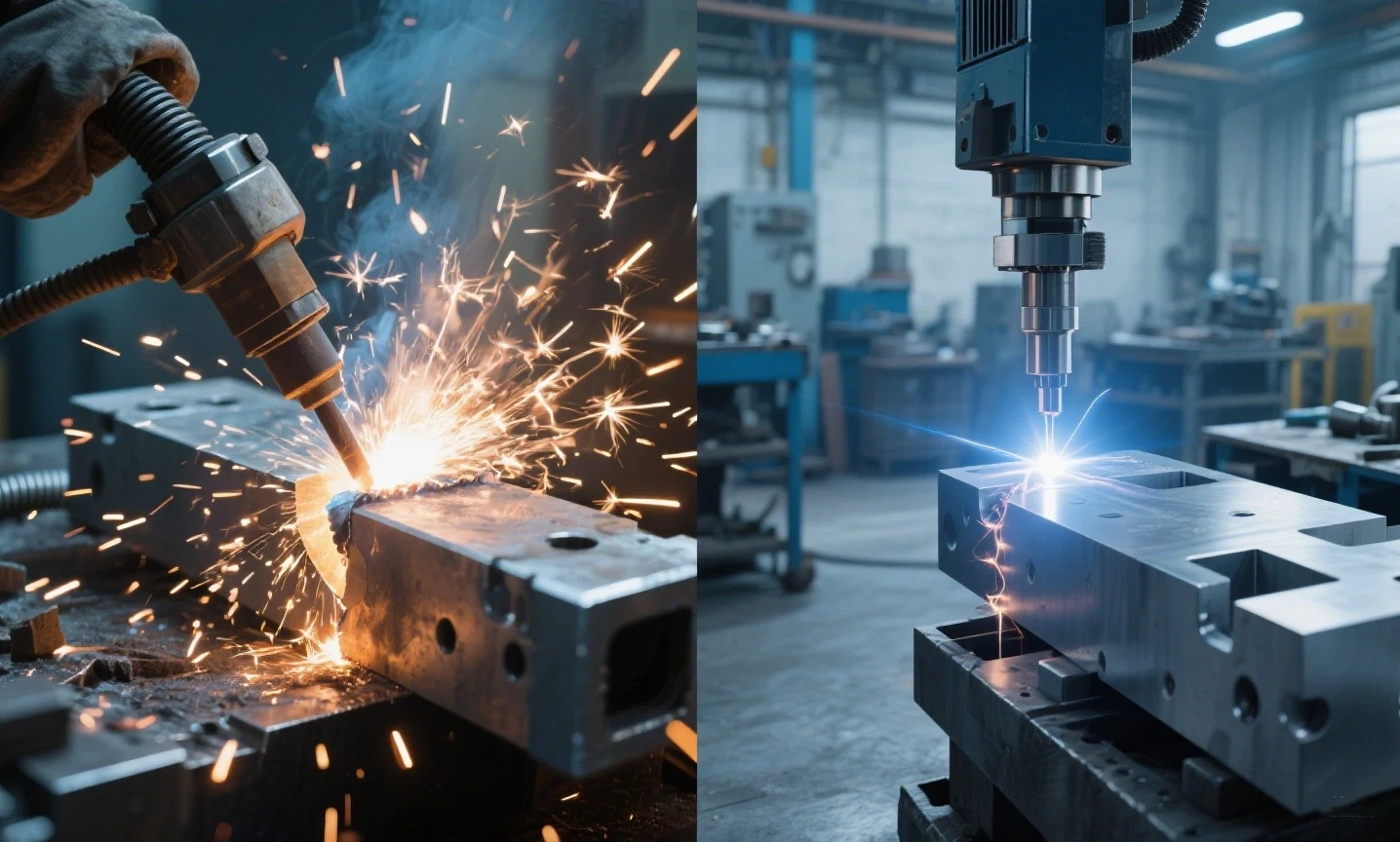
Compared with traditional welding processes such as arc welding and electron beam welding, laser welding has significant advantages in precision, efficiency, and flexibility. Firstly, it offers excellent controllability of heat input: the range of metallographic changes in the heat-affected zone is narrow, and the thermal deformation of the workpiece is extremely low-making it particularly suitable for processing precision components (e.g., microelectronic parts). Secondly, it greatly improves thick-plate welding efficiency: single-pass welding is achievable for plates with a thickness of 32mm, reducing the welding cycle while lowering the consumption of filler metals. Thirdly, it avoids electrode wear and spatial limitations: no reliance on electrodes eliminates contamination risks, and the laser beam can be flexibly redirected via optical instruments to bypass machines or obstacles around the workpiece-something traditional welding cannot achieve due to spatial constraints. Furthermore, it has broad process adaptability: it can weld oxidation-prone materials in a closed environment with vacuum or controlled gas, and no additional X-ray protection is needed. Meanwhile, it features high automation integration, supporting computer control and connection with high-speed production lines. When welding thin wires, it avoids the "re-melting" risk common in arc welding and has strong resistance to electromagnetic interference, further expanding its application scope.
Common Defects of Laser Welding and Optimized Solutions
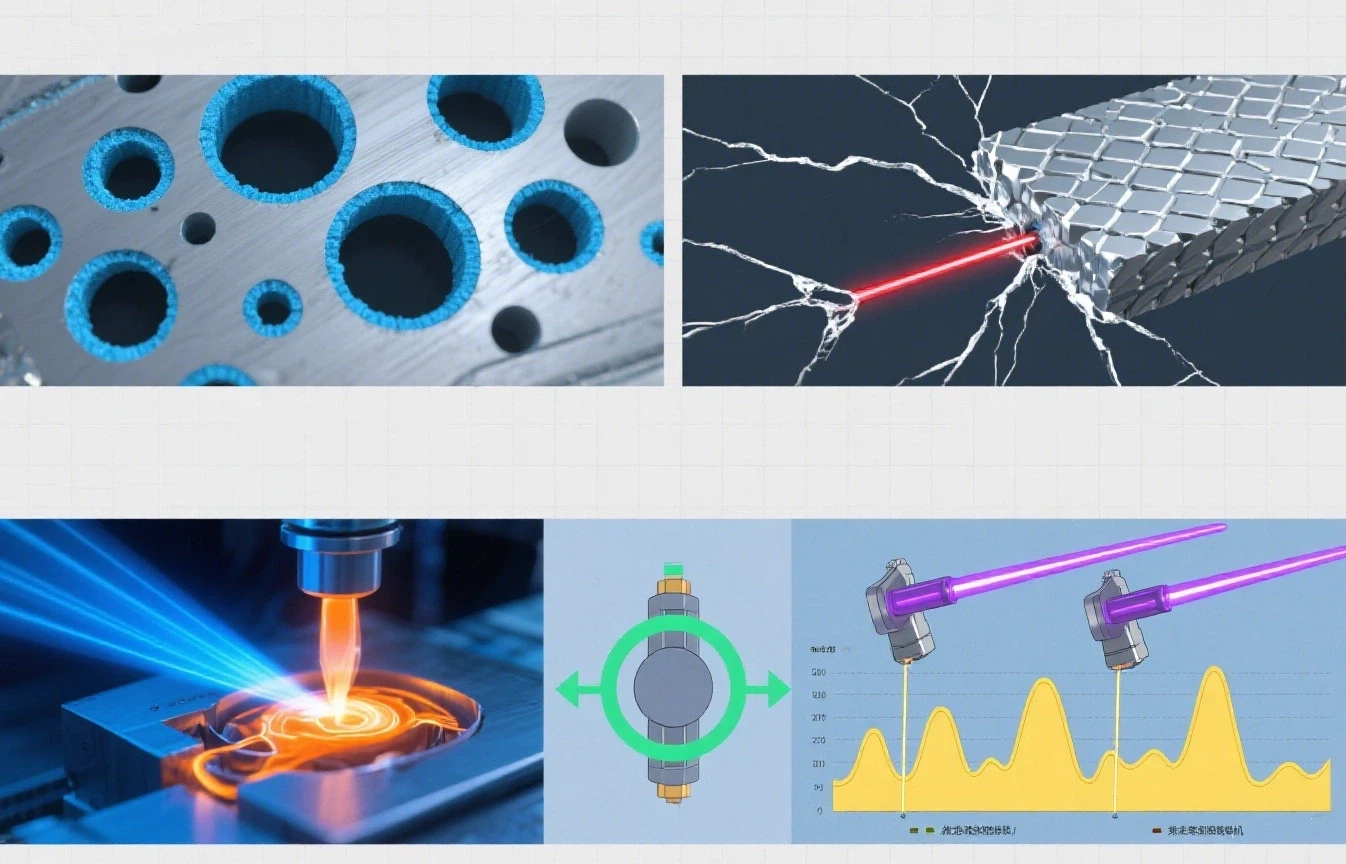
The technical shortcomings of laser welding need to be addressed through targeted solutions. Its main defects include: extremely high requirements for workpiece positioning accuracy (deviations directly affect weld quality); high fixture design costs (fixtures must ensure precise alignment between weld spots and laser beam impact points); limited welding thickness (not suitable for production lines when penetration depth exceeds 19mm); high welding difficulty for high-reflectivity/high-thermal-conductivity materials (e.g., aluminum and copper); the need to handle molten pool plasma during medium-to-high power welding; energy conversion efficiency of less than 10%; easy formation of pores and brittleness in welds due to rapid solidification; and high initial equipment investment. In response, the industry has developed mature optimization paths: hybrid welding processes (e.g., laser + arc welding, laser + plasma arc hybrid welding) can improve material adaptability and penetration depth; auxiliary measures (e.g., laser filler wire welding, external magnetic field application, shielding gas control) can reduce defect formation; and dual-laser or multi-laser beam collaborative welding can further enhance thick-plate welding efficiency and overcome technical bottlenecks.
Key Process Parameters Affecting Laser Welding Quality
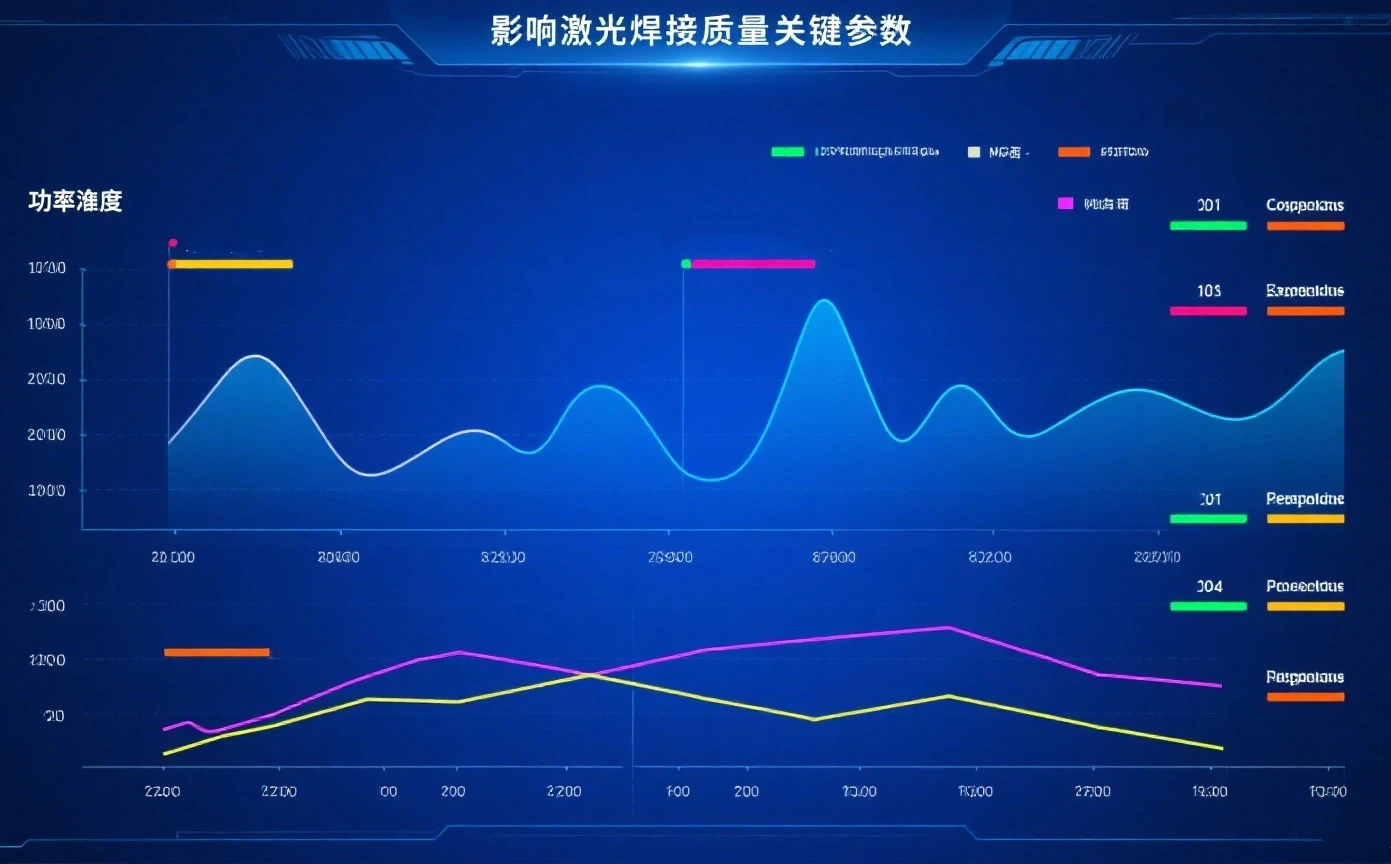
The quality of laser welding hinges on the precise control of four core process parameters, which need to be dynamically adjusted based on material type and welding requirements. First, **power density**-as the most critical parameter, the range of 10⁴~10⁶W/cm² is suitable for fusion welding, while high power density (>10⁶W/cm²) is used for material removal, directly determining melting efficiency and penetration depth. Second, **laser pulse waveform**-particularly important for thin-plate welding. A reasonable "preheating-fusion welding-thermal insulation" waveform can reduce laser reflection loss on the metal surface and minimize weld spatter. Third, **pulse duration**-a core indicator distinguishing material removal from melting. Short pulses (microsecond-level) are suitable for precision processing, while long pulses (millisecond-level) are used for thick-plate welding; it also affects equipment cost and size. Fourth, **defocus amount**, which is divided into positive defocus (focal point above the workpiece) and negative defocus (focal point inside the workpiece). Negative defocus increases penetration depth (suitable for thick plates), while positive defocus prevents excessive vaporization on the surface of thin materials-requiring flexible selection based on workpiece thickness.
Application Summary and Outlook of Laser Welding Technology
In summary, laser welding technology, with its core competitiveness of "high precision + high flexibility + broad material adaptability," has become an essential process in the precision manufacturing field. However, it is necessary to optimize process parameters (e.g., power density, defocus amount) and adopt hybrid welding solutions to address shortcomings such as strict positioning requirements and difficulty in welding high-reflectivity materials. In the future, as equipment energy conversion efficiency improves and costs decrease, laser welding will further penetrate high-end fields such as new energy vehicle battery welding and aerospace lightweight component manufacturing, providing more efficient connection solutions for industrial automation. For industry practitioners, accurately mastering process parameters and defect countermeasures is the key to fully leveraging the value of laser welding technology and achieving cost reduction and efficiency improvement.